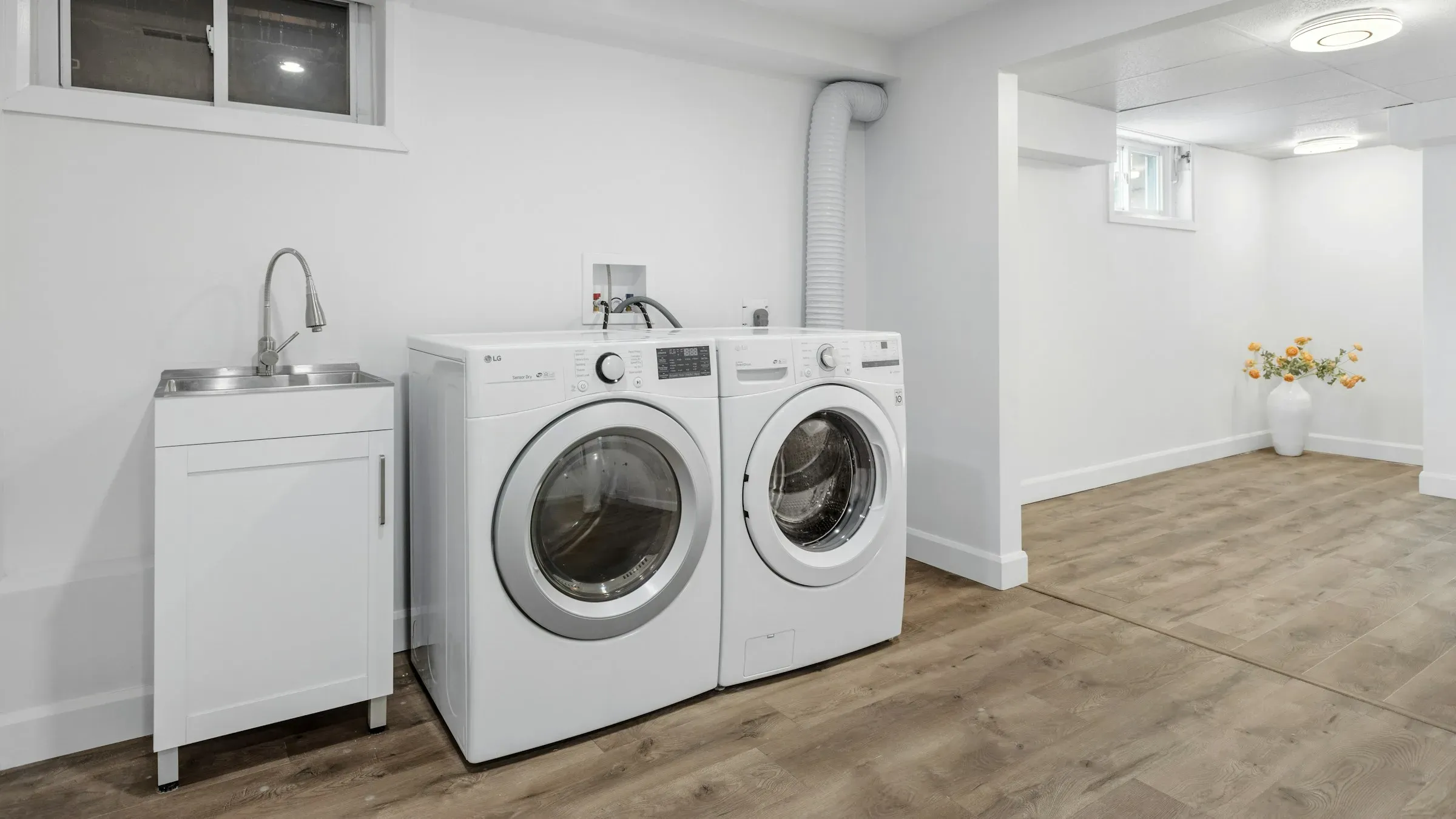
Plan old-appliance removal as a small project with separate decisions for ownership, disconnection, retained water or contents, access and collection. A group of appliances is not ready merely because each one has been switched off. Every unit must be identified, safely released from its installation and matched to a clear route.
Begin with a room-by-room list. Name the appliance, say whether it is freestanding or built in, record whether it still works and state who owns it. Then note the person responsible for electrical, gas, water, drainage, cabinetry or refrigeration work. The removal crew should not be assumed to perform technical disconnection.
A multi-appliance pickup can involve very different preparation: a refrigerator must be empty; a washer can retain water; an oven may be hard-wired or connected to gas; an air-conditioning unit is part of a technical system. Treating all of them as “old white goods” hides the decisions that matter.
Make one appliance register
List every unit in its current location. A simple register can include:
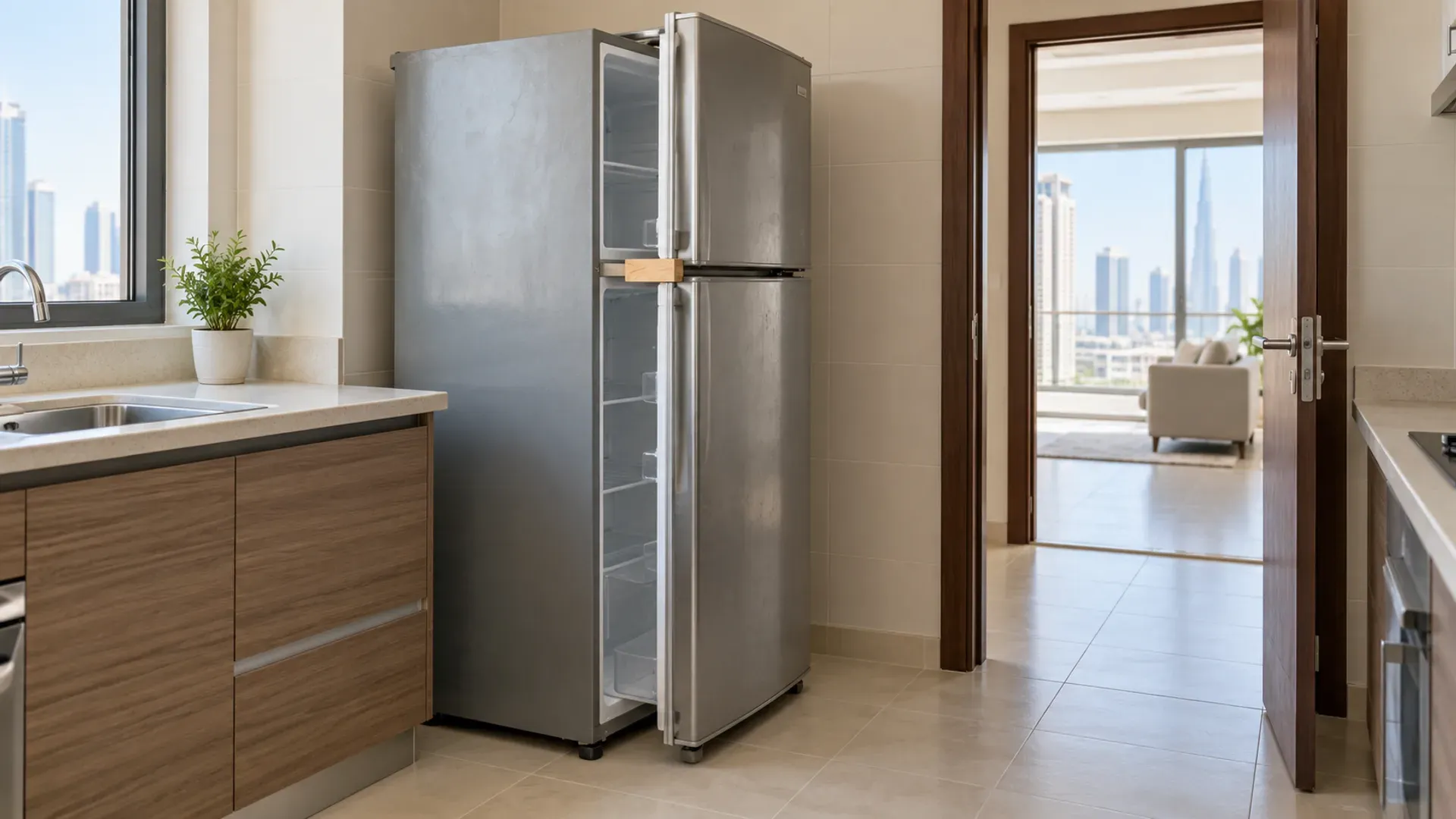
- kitchen refrigerator, freestanding, tenant-owned;
- utility-room washing machine, connected to water and drain;
- built-in electric oven, landlord-owned, removal not yet approved;
- countertop microwave, unplugged and boxed;
- bedroom split AC, fixed system, technician decision required;
- balcony freezer, empty but not yet defrosted.
Add a photo of the complete appliance and its immediate surroundings. For built-in or stacked units, show the cabinet, fixing or appliance above and below. Do not pull a connected machine forward to photograph the rear. The installation view is enough to show that release work may be needed.
The register prevents one appliance from being prepared while another remains connected or disputed. It also separates small electronics that can travel with a load from large installed equipment that needs its own sequence.
Confirm ownership before release
In a rental, an appliance may belong to the landlord even if the tenant has used it for years. In an office or shared home, it may belong to the employer, property operator or another resident. Check the tenancy inventory, asset record or written instruction from the responsible person.
Do not treat age, condition or lack of use as permission to remove something. Keep uncertain units off the confirmed list until ownership is resolved. If a replacement supplier is removing the old unit, confirm that scope separately so two providers are not booked for the same object.
Separate technical release from physical collection
Collection begins after the appliance is safely disconnected and free of fixed cabinetry or services. The required person depends on the unit and installation. Gas, hard-wired electrical connections, plumbing, refrigerant systems and fixed building equipment can require appropriate qualified work or property approval.
Do not use a generic promise that “everything will be disconnected.” Assign each dependency:
- owner unplugs countertop microwave;
- authorised technician releases hard-wired oven;
- plumber or responsible installer isolates washer supply if required;
- appliance installer removes stacking kit;
- appropriate AC technician handles the split system;
- building or landlord approves removal of supplied equipment.
Record when the release will be complete and leave a buffer before collection. If technical work uncovers a seized valve, inaccessible fixing or damaged connection, the collection plan may have to change.
The collector can assess carrying and loading after release, but should not be presented with live utilities or an appliance still fixed into the property. Ask about uncertain boundaries when booking rather than deciding at the doorway.
Preserve the property after disconnection
Cap, close or make safe any supply and waste points through the appropriate responsible person. Protect exposed cabinetry and floors. Keep removed doors, panels or fittings with the correct appliance or property owner, and label them if the sequence includes replacement installation.
Removal is not a repair or installation service. A cleared appliance space may still need plumbing, electrical, cabinet or cleaning work before a new unit can be fitted.
Empty, drain and dry every unit
Internal contents and retained liquid create avoidable weight, leaks and hygiene problems. Use the preparation method appropriate to the appliance.
Refrigerators and freezers
Remove food and loose items. Plan defrosting early enough to manage meltwater inside the property. Dry shelves and compartments, and secure removable parts so they do not slide during movement. Keep doors controlled without creating an airtight closed unit for long-term storage.
Do not damage pipes or refrigeration components in an attempt to make the appliance smaller. The fridge-disposal guide covers the item-specific route, while the freezer guide explains food, defrosting and chest-freezer access.
Washing machines and dishwashers
Finish the last cycle, remove laundry or dishes and allow the machine to drain. Even after normal use, hoses, filters and internal spaces may contain water. Follow the manufacturer’s instructions or use an appropriate installer for disconnection. Keep hoses controlled and have absorbent material available for residual drips.
An integrated dishwasher may also be fixed to cabinetry and connected behind a plinth. Do not pull it out by force. The washing-machine removal guide and dishwasher removal guide provide more detailed preparation.
Dryers
Empty the drum, lint filter and any condensate container. Identify a vent hose, drain connection or stacking kit. A dryer sitting above a washer must be safely unstacked before ordinary carrying begins unless a confirmed plan states otherwise.
Ovens and cooking appliances
Remove trays, racks and loose accessories or secure them separately. Clean out loose residue that could fall during tilting. Confirm whether the appliance is gas, plug-in electric or hard-wired, and whether it is freestanding or secured to cabinetry. Technical release must be completed by the appropriate person.
Small appliances and electronics
Unplug small units, remove loose glass trays or accessories and box them so they do not disappear among larger items. Keep batteries or damaged power packs visible and declared. A microwave may be small, but a broken glass plate or sharp casing still needs controlled packing.
Match each appliance to the route
Measure height, width and depth at the widest fixed points, including handles and projecting controls. For a released built-in appliance, measure the unit itself rather than only the cabinet opening. For a side-by-side refrigerator, record the true depth and check whether doors are intended to be removed by an appropriate person.
Walk from each appliance position to the vehicle. Check:
- space to pull the unit straight out;
- floor transitions and thresholds;
- kitchen or utility-room doorway;
- corridor turns and protective clearances;
- stairs or lift opening and cabin;
- external doors, ramps and gates;
- loading-bay or vehicle access;
- total carry distance.
Do not assume that because the new appliance entered, the old one can leave by the same method. Deliveries may have used removed doors, empty packaging dimensions, a different lift booking or a route that is no longer available. Verify the current path.
Plan the order of movement
Move appliances in an order that keeps the route usable. A large refrigerator staged in the kitchen doorway can trap the washer behind it. A disconnected unit left in a narrow hall can block a technician or replacement delivery.
If several rooms feed one corridor, decide which item clears first and where each waits without obstructing exits or shared space. Keep appliances inside the authorised property until the collection route is active; do not stage them in communal corridors or beside bins without permission.
Coordinate replacement deliveries
Old-appliance collection and new-appliance delivery are separate scopes unless one provider has explicitly accepted both. Confirm whether the retailer or installer includes removal, under what conditions and at what point it occurs. Do not infer old-unit removal from the word “delivery.”
If separate teams are involved, use a sequence:
1. resolve ownership and approve the old unit; 2. complete required disconnection; 3. collect the old appliance; 4. clean or inspect the vacant space; 5. complete any repair or service-point work; 6. deliver and install the replacement.
Avoid giving both teams the same lift and loading window. A new refrigerator in packaging can occupy more route space than the old one, while installers may need uninterrupted access to the appliance recess.
If the old unit must stay until the replacement is operational, tell the collector. The correct plan may be a later appointment rather than leaving the household without essential equipment.
Treat air conditioners and fixed systems separately
A split AC is not an ordinary plug-in appliance. Indoor and outdoor units, refrigerant lines, electrical connections, brackets and building rules can all be involved. Arrange assessment and technical removal through the appropriate responsible provider before planning collection of released equipment.
The old AC unit guide explains that boundary. Do not cut lines, detach compressors or present a live system as loose scrap. Confirm what components will be released, where they will be located and whether building approval applies.
The same caution applies to fixed water heaters and other installed systems. Ownership, isolation, draining and safe release come before carry-out. Each item-specific dependency should remain visible in the appliance register.
Keep data and hazardous contents visible
Smart appliances can contain accounts, network settings or stored personal information. Follow the manufacturer’s reset process where relevant and remove any removable storage or paired-account access before collection. Do not assume the removal provider supplies data erasure or certification.
Declare damaged batteries, leaking components, unknown liquids or unusual contents. Do not place chemicals, gas cylinders, paint or general rubbish inside an empty appliance to save space. That changes the load and hides material that may need a different route.
If an appliance is contaminated, pest-affected or unsafe to touch, describe the condition before anyone moves it. Do not clean or open a hazardous unit without knowing the appropriate method.
Quote the complete appliance load
Once ownership and release are clear, turn the register into one collection brief. Include:
- each appliance and its room;
- working, broken or unknown condition;
- freestanding, stacked, integrated or fixed status;
- ownership confirmation;
- disconnection responsibility and completion time;
- retained water, defrosting or contents status;
- appliance dimensions;
- route photographs and measurements;
- floor, lift, stairs and loading details;
- building approval or gate requirements;
- preferred collection window;
- replacement delivery dependencies;
- small electronics included in the same load.
Mark unresolved items as pending rather than folding them into the confirmed count. A photo of several appliances without this context may show volume, but it does not show whether the units are ready or authorised to leave.
Use the finished brief to request appliance-disposal service. The service page keeps the broad booking question; this preparation plan is about turning several unlike appliances into one truthful, accessible collection load.
Collection-day verification
Before arrival, check that the correct units are empty, released and accessible. Make sure no replacement, landlord or technician label has been confused with the removal list. Keep ownership approvals and building access details with the coordinator.
Inspect for residual water around washers, dishwashers, refrigerators and freezers. Keep the path dry and clear. Secure doors and loose accessories using a method that will not damage a reusable unit or create an unsafe seal during storage.
Report any failed disconnection, changed route or added unit before dispatch. Do not ask the crew to improvise technical release because a technician did not attend. The safest outcome may be to collect the ready items and reschedule the unresolved unit, but that decision must be confirmed rather than assumed.
After collection, inspect the vacated spaces and service points. Pass any remaining repair, cleaning or installation task to the correct party. The appliance-removal job ends with the approved units carried out; it does not by itself certify the building services or prepare a new installation.
Common questions about old-appliance removal
Can several different appliances be collected together?
They can be assessed as one load, but each still needs its own ownership, preparation, disconnection and route decision. Include every unit in the final photographs and inventory.
Will the removal crew disconnect my appliance?
Do not assume so. State the connection type when requesting collection and arrange the appropriate responsible technician or installer where gas, hard-wired electricity, plumbing, refrigeration or fixed systems are involved.
Should a refrigerator be defrosted before collection?
Food should be removed and defrosting planned early enough to manage meltwater and dry the interior. Follow the appliance instructions and confirm the collection timing before switching off an essential unit.
What if one appliance belongs to the landlord?
Keep it off the confirmed removal list until written ownership or authorisation is clear. Age or poor condition does not transfer the right to dispose of it.
Can I fill an old appliance with smaller junk?
No. Keep other material visible and listed separately. Hidden contents interfere with safe handling and may include items that need a different disposal decision.