If you need junk gone today in Dubai, send photographs, your location, the full item list, access details and the time the space must be clear. Then ask for confirmation that the complete job can fit within that deadline. Same-day collection depends on an available slot and workable access; sending an enquiry does not reserve one.
The most useful first step is to remove uncertainty. A provider can assess a specific request more clearly than a message saying only “urgent pickup”. This guide explains what to check, what information to send, and how to make a fallback plan if collection today cannot be confirmed.
Establish the deadline you actually need to meet
There is a difference between wanting an item removed today and needing a property clear before a fixed appointment. Describe the outcome, not just the preferred arrival time. If a replacement sofa is being delivered, the old sofa may need to be gone before the delivery team reaches your door. If an inspection is booked, the whole agreed space may need to be ready.
Write down the latest acceptable completion time and the reason for it. Also identify any access window set by your building or the person holding the keys. Those limits determine whether a proposed booking solves the problem. An arrival window that overlaps your deadline may not leave time for loading.
Separate arrival from completion
When a provider offers a time, ask whether it describes arrival, an estimated visit window or a confirmed completion arrangement. These are not interchangeable. Explain if another appointment depends on the removal being finished, and ask the provider to assess that dependency against the load and access you have described.
Avoid choosing a precise clearance duration yourself. A photograph can show furniture, but it may not reveal stairs, dismantling or a long carrying route. Let the provider assess the task and explain any uncertainty before you commit the rest of your day around it.
Identify which part of the job is urgent
Sometimes one item blocks the next step while the rest of the clearance can wait. A bed may prevent a cleaner from reaching a room, or a washer may occupy the space needed for its replacement. Tell the provider which items are essential today and which are flexible.
That does not guarantee a smaller collection will be available. It does, however, make the decision clearer. You can compare a confirmed solution for the urgent items with a later full collection instead of treating every object in the property as equally time-sensitive.
Check whether the request is ready for collection
Urgent cardboard removal
Cardboard can be urgent after a move, shop delivery or office unpacking when stacks occupy the room needed for the next task. Tell the provider that the load is mainly cardboard; do not describe it only as “junk”. Photograph the full pile with a door or other fixed feature in view, count large unflattened boxes if possible, and separate clean, dry cartons from wet or food-soiled packaging. List foam, plastic wrap, pallets and other items separately so the quote covers the whole job.
Flatten boxes where you can do so safely, but keep the pile inside an area you are allowed to use. Check whether the building permits collection through the service lift or loading bay today. If the required access slot cannot be obtained, a crew's availability alone will not solve the deadline. The packing-material guide covers sorting and ordinary recycling options; the same-day removal service is the place to ask for an actual available slot.
An urgent enquiry is easier to assess when the items are identified and accessible. Before asking for a slot, establish what is leaving, what must remain and whether any separate preparation is unfinished. Do not move a heavy item yourself just to make the job appear ready; describe its current position honestly.
For the service itself, use the same-day junk removal page and ask about availability for your specific load. This article helps you prepare that enquiry; it does not represent a live booking calendar or a promise that a crew can attend today.
Confirm ownership and removal instructions
Check that you have authority to dispose of the items. In a rented or shared property, a broken appliance or unwanted cabinet may still belong to someone else. Resolve that before arranging collection. Urgency should not turn an unanswered ownership question into an instruction to remove something.
Separate belongings that are being kept. If a family member or representative will meet the crew, give them the same list you sent for the quotation. A clear list prevents the person on site from having to make disposal decisions under pressure while another appointment is approaching.
Identify preparation that needs another person
An appliance still connected to water, an item fixed to a wall or furniture trapped behind other belongings may require preparation. Ask what the removal provider can handle and what you must arrange separately. Do not assume that an urgent booking includes plumbing, electrical work, repairs or specialist dismantling.
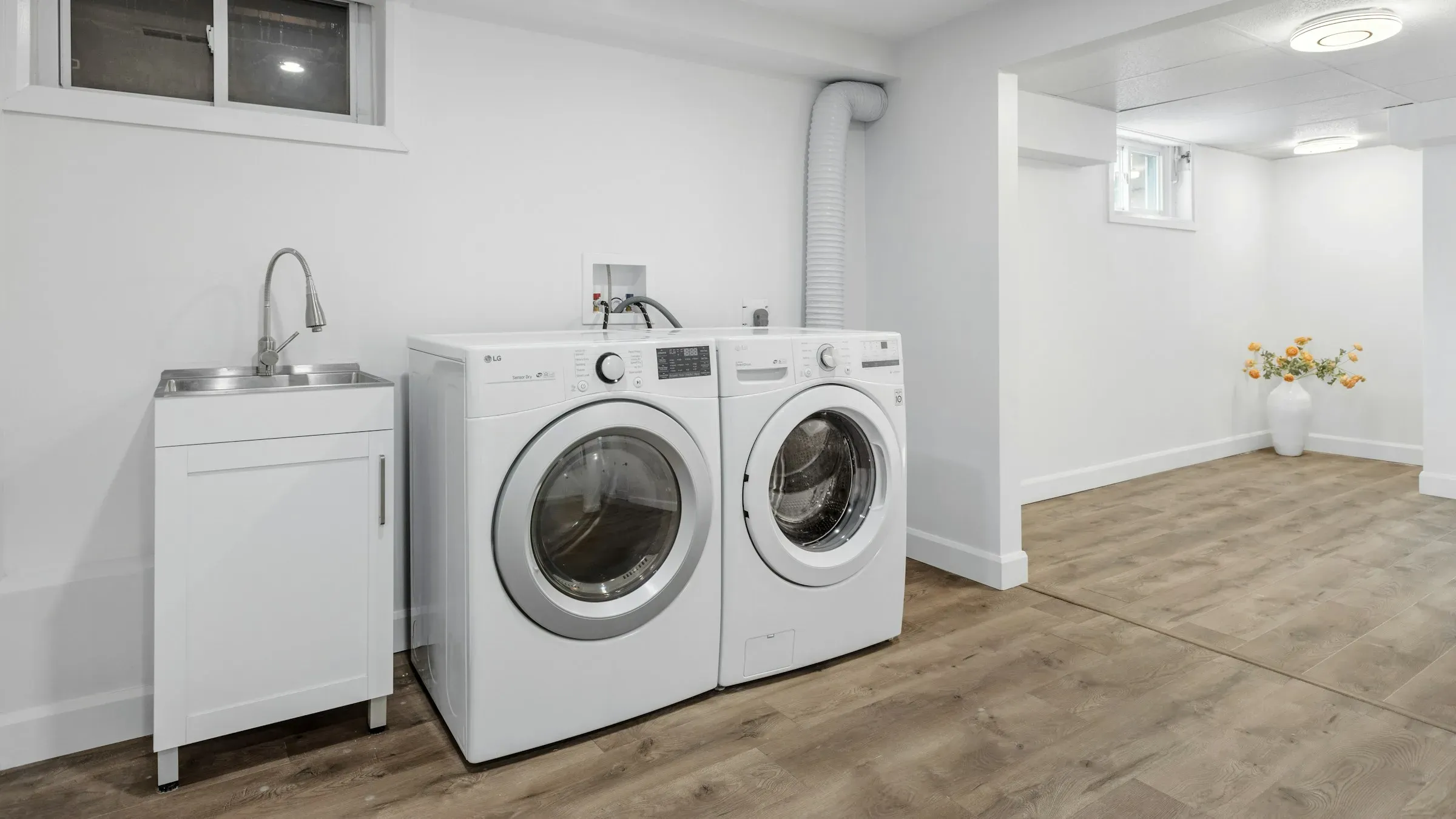
For a washer, review the washing machine collection preparation guide. Establishing whether disconnection is complete can be more important than finding the earliest truck, because the truck alone does not resolve an unprepared appliance.
Send one complete enquiry
Gather the information in one message where possible. You do not need professional photographs or technical drawings. You need enough detail to show the load, where it is, the route out and the time available. If something is uncertain, label it as uncertain rather than filling the gap with a guess.
- Give the area, property type and floor.
- List the larger items and describe the loose bags or boxes separately.
- Send an overview photograph and closer photographs of awkward items.
- State whether a lift is available and whether its use is confirmed.
- Describe steps, narrow doors, long corridors or limited vehicle access.
- Explain any dismantling or appliance preparation still required.
- Give the completion deadline and your availability to provide access.
Photograph the space around the items
A close-up of a sofa identifies the sofa but hides the room door. Step back enough to show the surrounding space, then photograph the tightest point along the route. Do not expose private documents or personal details unnecessarily; the purpose is to explain the removal task, not to share everything in the room.
For several rooms, group the photographs by room and match them to your list. Say if a photograph shows the same item from two angles so it is not counted twice. If bags are still being filled, explain that the final amount is not yet settled.
Describe volume without inventing a truck size
You do not need to know how many cubic metres the load occupies. Give item names, approximate dimensions where useful, and clear photographs. Tell the provider whether cupboards are empty, whether a bed includes its mattress and whether boxes contain heavy materials rather than ordinary loose belongings.
Avoid describing a whole room as “a few things” to obtain a quicker answer. The provider needs to assess the actual task. If extra items emerge after the quote, send an update before collection so availability and scope can be reconsidered while there is still time.
Check access before accepting a slot
Ask your building or community contact what applies to the proposed collection. Do not assume that all Dubai buildings use the same process. Your address may have specific arrangements for service lifts, loading points, entry details or permitted working times, and only the relevant management can confirm them.
Tell the removal provider what has been confirmed and what is still pending. If access depends on approval you have not obtained, make that clear. A vehicle being available does not mean the building will admit it, and a booking request should not be mistaken for an access authorisation.
Make the loading point part of the plan
Describe where a vehicle can legally and practically stop according to the arrangements for your property. If the loading point is away from the entrance, show or describe the carrying route. Do not direct a driver to block an entrance or use a restricted area simply because the collection is urgent.
If you are not familiar with the building's removal arrangements, ask rather than assuming the main entrance is the correct route. Confirm who can answer access questions on the day and give that contact information to the provider only as needed for the booking.
Confirm lift and stair details
“There is a lift” does not establish that it is available for the job or suitable for the item. Share any booking window and known size restrictions. If the item will not fit, or lift use is unavailable, ask the provider to assess the alternative instead of assuming a stair carry is included.
The floor number, stair layout and size of the item matter to that assessment. A collection that works at ground level may need a different plan upstairs. Keep the residential removal arrangements relevant to your address in the enquiry rather than revealing them after arrival.
Understand what a confirmed booking includes
Before relying on the visit, confirm the item list, address, access arrangement, agreed timing and quoted scope. Ask how the provider will communicate any change. Save the confirmation somewhere you can find quickly, especially if another person will meet the crew.
Clarify whether the quote includes the preparation and carrying work you discussed. A price for an accessible appliance is not automatically a price for disconnecting it, dismantling a surrounding cabinet or negotiating a staircase. Ask the questions while the plan can still be adjusted.
Do not interpret a quick acknowledgement as a confirmed booking. “We have your message” and “we can assess this” may be useful responses, but they do not necessarily confirm a crew, a price or a workable time. Ask for the specific confirmation you need before cancelling another arrangement.
If you contact several providers to check availability, keep track of what you have actually accepted. Avoid leaving several bookings active for the same load. Once you choose a provider, communicate clearly with the others so nobody is working from an assumption that they are still expected.
What to do while the booking is being assessed
Use the waiting period to organise information and belongings, not to create a more difficult removal. Keep items in an agreed, accessible location and preserve a clear route for people using the property. Ask before moving a load into a communal area, corridor or loading space.
Put small belongings you are keeping away from the removal group. Check pockets, drawers and storage compartments. Label any item that must stay, particularly when unwanted and retained furniture look similar. These decisions can be made without trying to lift or dismantle something beyond your ability.
Make sure the person providing access can be reached. If your phone will be unavailable during work or travel, agree on a representative and share the confirmed inventory with them. They should know the deadline and the limits of what they are authorised to approve.
If anything changes, send the update promptly: another item added, a lift booking refused, an appliance still connected or a deadline moved forward. Accurate information gives the provider a chance to reassess. Concealing a change until arrival does not make the original plan more achievable.
Have a fallback if today cannot be confirmed
Ask for the earliest confirmed alternative rather than treating an unconfirmed possibility as your only plan. If tomorrow is available, the next-day junk-removal checklist shows how to use the overnight window to freeze the load and secure access. Identify which dependent appointment can move and who needs to know. If your building access window changes, coordinate that separately; a new collection time may require a new access arrangement.
For a handover, review the wider end-of-tenancy clearance timeline. A missed collection slot can affect cleaning and inspection readiness. Work through those dependencies directly instead of assuming that booking another truck is the only decision involved.
If the whole property needs clearing, discuss it as a house clearance, even when the deadline is urgent. Splitting a large job into several incomplete descriptions does not make the work smaller. It makes the planning less reliable and increases the chance that something important is omitted.
Do not leave unwanted items in a public or shared location as a substitute for a collection agreement. Check the applicable arrangements with your management or the relevant authority. This article does not confirm permission to use a communal bin, a pavement or an unattended loading area for a bulky load.
Match the request to the reason for urgency
For a replacement delivery, confirm which old item must be removed and whether the retailer has offered any separate removal arrangement. Check the retailer's terms directly rather than assuming that delivery includes collection. Keep the old-item removal and new-item installation responsibilities clear.
For an inspection, focus on the state the property needs to reach. Furniture removal may be only one part of the schedule. Identify cleaning, repairs or other preparation separately, and avoid promising a completed handover based solely on an available collection arrival time.
For an unexpected space problem, explain what needs to become accessible. You may need a doorway, room or storage area cleared rather than every unwanted item removed at once. Ask about that exact scope, while keeping any non-urgent work visible in the discussion rather than adding it at the door.
The practical next step is the same in each case: send the complete load, access details and deadline, then wait for a clear answer about the actual job. Specific information helps you choose a workable arrangement without relying on an advertised phrase as a guarantee.
FAQs about urgent junk collection
Does sending a message early guarantee collection today?
No. The provider still needs to confirm availability, the load and access. Contacting them with complete information allows the request to be assessed, but no particular enquiry time guarantees a slot. Ask for explicit confirmation before relying on same-day removal for another appointment.
Can I request only the most urgent item first?
Yes, you can ask whether a smaller, clearly defined collection is possible. Explain what must go today and what can wait. The provider must still confirm availability and scope; do not assume that reducing the item count automatically makes the booking feasible.
What if I do not know the final number of bags?
Tell the provider that sorting is unfinished and send an update when the amount is clearer. Show the current load and explain what remains to be packed. An honest provisional description is more useful than presenting an uncertain quantity as final and adding more after the booking is agreed.
Can I arrange collection without being at the property?
Ask what arrangements the provider accepts. Someone may need to provide authorised access and approve the inventory. Confirm the building process and make sure your representative can identify protected items. Leaving possessions unattended outside is not a replacement for an agreed collection plan.