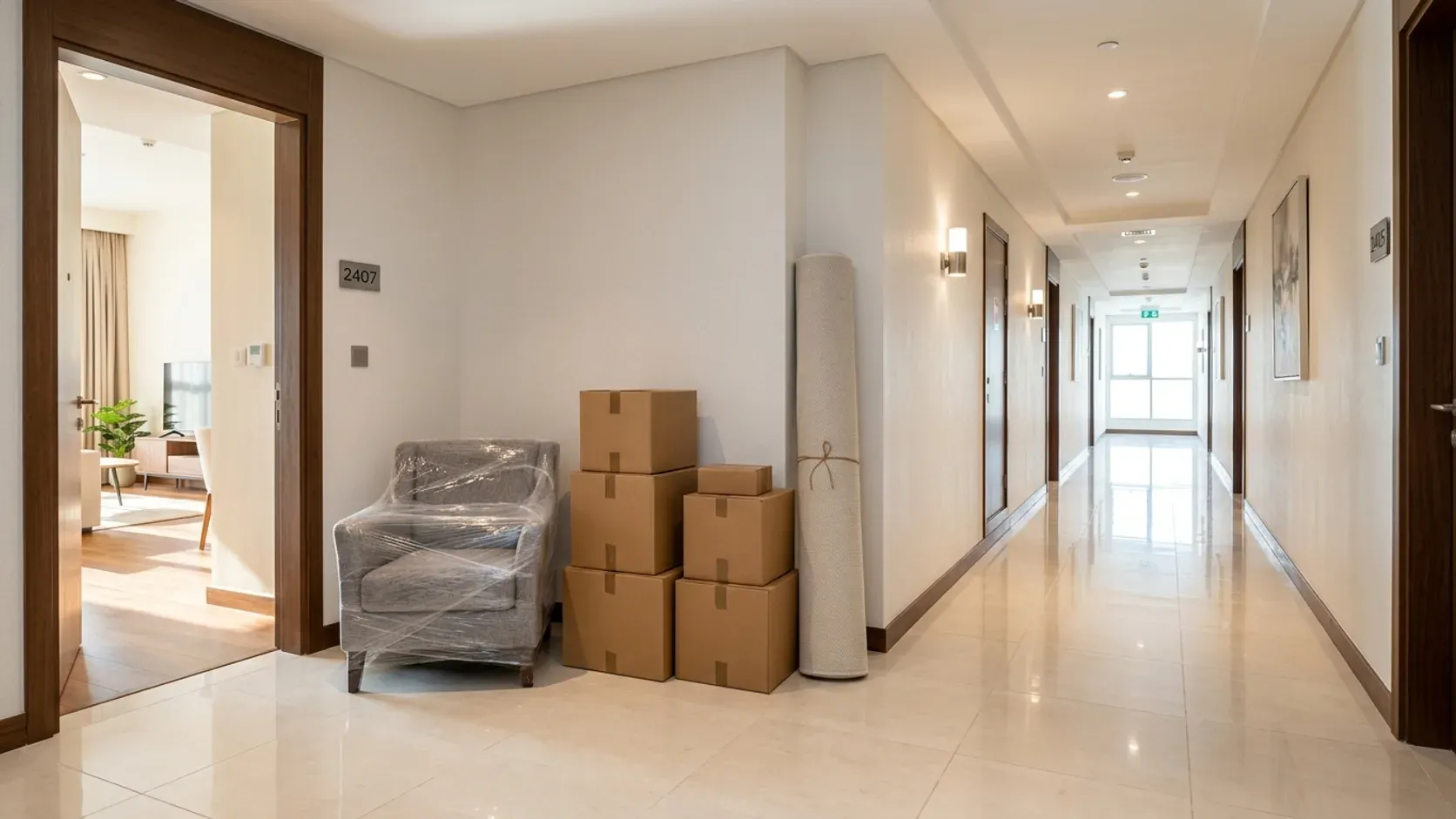
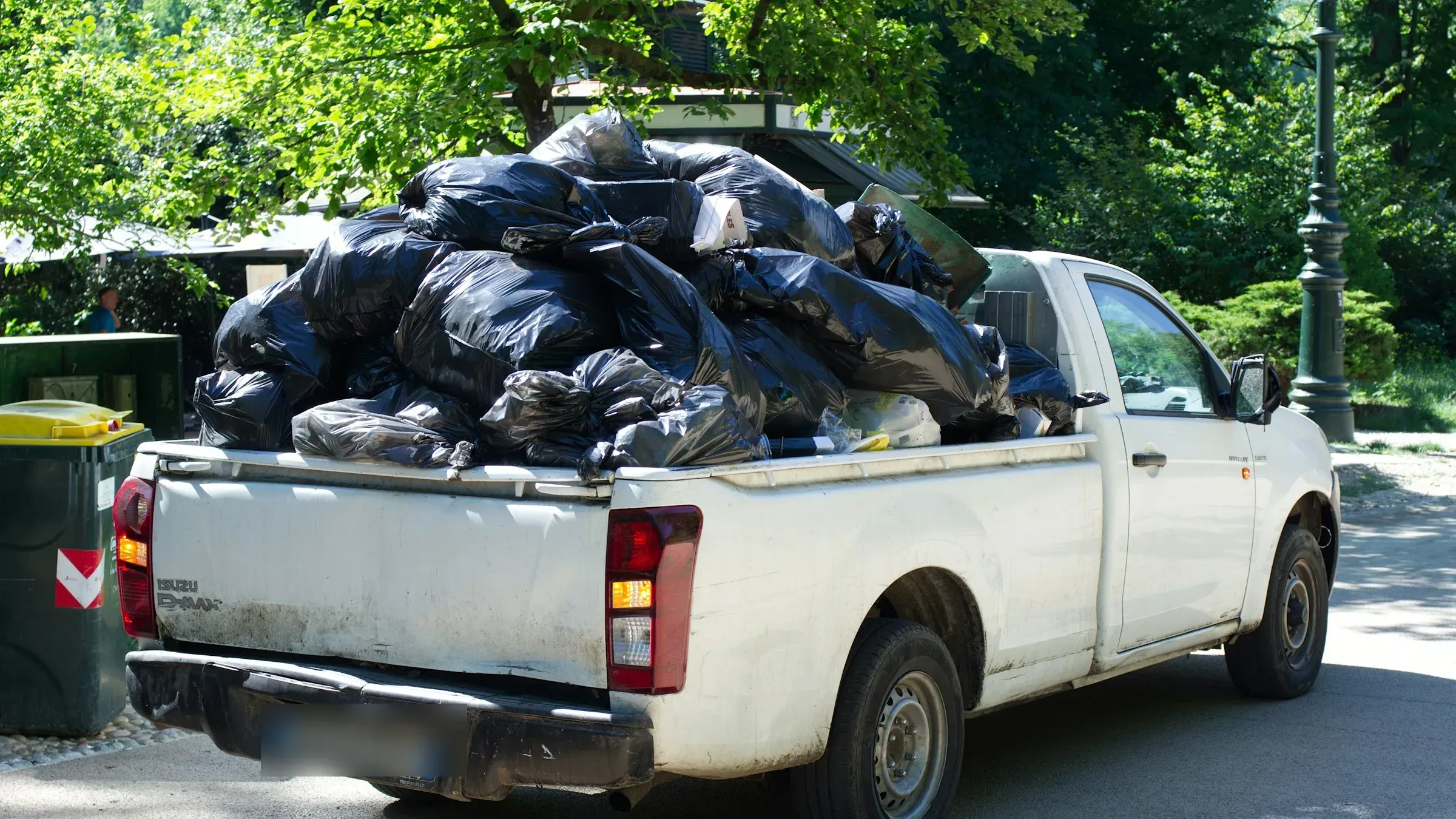
Next-day junk removal works best when the extra night is used to settle the load, access and handover details—not when it is treated as an unconfirmed version of same-day collection. Ask whether a slot is available, then use the hours before it to produce a final item list, secure building permission and make the route ready.
A request for “tomorrow” still needs a date, a location and a usable window. It also needs an honest description of what must leave. Availability cannot be inferred from the calendar alone; routing, load size, access and existing bookings all affect whether the request can be accepted.
If tomorrow is a hard deadline, say why and give the last workable completion time. A landlord inspection at 11:00, a replacement delivery at 15:00 and a preference to finish sometime during the day are three different constraints.
Ask the availability question clearly
Begin with a compact request:
- exact Dubai area or map pin;
- property type and floor;
- requested date;
- earliest access time and latest completion time;
- complete item list or clear photos;
- lift, stairs, gate and loading details;
- whether building approval is confirmed;
- whether the deadline is fixed or flexible.
“Can you come tomorrow?” leaves every planning variable unresolved. “Two sofas, a dismantled bed, six boxes and a disconnected washer from a fifth-floor apartment; service lift requested for 09:00–11:00; inspection at 14:00” gives the provider something that can actually be checked against a route.
Do not present a preferred time as an approved booking. Wait for confirmation of the scope, window and access conditions. If the provider asks for more photographs or measurements, answer before assuming the slot is held.
Use a fixed date, not relative language
Write the date in the message. “Tomorrow” can become ambiguous when a conversation crosses midnight, moves between team members or resumes the following morning. The date also helps everyone match the collection to building approval, technician visits and handover appointments.
Keep one coordinator responsible for changes. When several residents, colleagues or contractors send separate additions, the provider can end up with several versions of the load.
Freeze the removal list tonight
Walk every relevant room before sending the final inventory. Open cupboards and storage only where you are authorised to do so. Check balconies, utility areas, under beds, behind doors and any store or garage included in the job.
Create three groups:
1. definitely leaving; 2. definitely staying; 3. undecided or awaiting another person’s approval.
Only the first group belongs in the confirmed load. Move uncertain items away from it or label them clearly. A next-day deadline is not a reason to let ownership decisions happen while furniture is being carried out.
Photograph the full leaving group where practical, then list any large objects separately. Include bags, boxes, loose shelving, appliances and outdoor material. A row of closed bags is not self-explanatory; say what general material they contain and identify anything that needs a separate decision.

If the scope changes overnight, send the revision before the collection window. Adding a wardrobe, refrigerator or dense garden load in the morning may affect vehicle space, labour, route or suitability. Removing items matters too because the crew should work from the current list.
Settle ownership and handover boundaries
Next-day clearance often sits beside a move, delivery or property handover. Those events can make ownership unclear. Separate tenant property from landlord fixtures, outgoing furniture from incoming furniture, and unwanted items from goods assigned to movers or another recipient.
Do not remove fitted shelves, light fixtures, curtains, appliances supplied with the property or any object whose ownership is uncertain. Ask the landlord, agent, employer or other responsible person for a written decision where needed. A removal booking does not resolve a property dispute.
For office or shared-property jobs, nominate the person authorised to approve the final load. Data-bearing equipment, files, stock and leased assets should remain outside ordinary junk until the responsible owner releases them.
If tomorrow includes a formal handover, keep the clearance window separate from cleaning, repairs and inspection. Removal creates access; it is not a substitute for those other tasks. Build time between them so a delay in one does not automatically break the next appointment.
Confirm the building before the route
Contact reception, security, community management or the relevant property contact as soon as the next-day slot is being considered. Ask about the current process for the specific date. Depending on the property, the building may control collection hours, a service lift, protective padding, a loading bay, gate entry or contractor documentation.
Requirements differ, and an approval from an earlier move may not answer tomorrow’s request. Record:
- the approved date and window;
- which lift or exit must be used;
- where the vehicle may load;
- who grants entry on arrival;
- any document or vehicle detail still required;
- any protection or supervision condition;
- a contact for access problems.
If approval is pending, say so to the removal provider. Do not describe a requested lift as booked. If the building cannot approve tomorrow, the practical answer may be a later collection rather than an improvised carry through a passenger route.
The service-lift booking guide explains the building side in more detail. In a gated villa community, perform the same check for the correct gate, vehicle registration and permitted stopping point.
Match the window to the real deadline
A two-hour building window does not mean the job will fill those two hours, nor does it guarantee that every other dependency is ready. It defines when the route may be used. Share the window exactly and let the provider assess whether the load and access can be planned within it.
Where the inspection or key return follows the collection, leave a sensible buffer. Avoid making the lift end time, removal completion and landlord appointment the same minute.
Prepare appliances and awkward items overnight
Identify items that need more than ordinary lifting. Refrigerators and freezers may need food removed and preparation planned. Washing machines and dishwashers may retain water. Gas or hard-wired appliances may require an appropriate technician. Furniture may contain glass, moving mechanisms or designed dismantling points.
Do not disconnect utilities or fixed equipment unless you are responsible and competent to do so. Arrange the correct person before the collection and state whether the item will be released by the agreed time. “Technician expected at 08:00; collection after 10:00” is a dependency. “Appliance ready” should mean it is actually disconnected, empty and safe to access.
Measure the largest difficult object and the narrow parts of its route. Send photos when a sofa, wardrobe, table, mattress or appliance appears tight. The before-the-crew checklist covers the general preparation sequence, while item-specific guides explain special steps.
Keep gas cylinders, paint, chemicals, batteries, unknown liquids and controlled material separate and visible. Do not hide them inside cupboards, appliances or bags. Ask whether they are accepted and what route applies before the next-day load is confirmed.
Clear a safe route in the morning
Move small obstacles out of the agreed path. Secure pets, keep children away from the working area and protect possessions that stay. Make sure doors, access cards and keys are available to the person coordinating the job.
Keep the large items in place unless moving them is part of a safe preparation step. Dragging a wardrobe into a corridor or leaving a sofa in a shared lobby can create a new obstruction and may conflict with property rules. The route should be clear; the load should remain controlled.
Check that lift and loading access have not changed. If a loading bay is occupied, security requires a new vehicle detail or an approval has not arrived, contact the provider before dispatch rather than waiting for arrival.
Keep other contractors out of the route
Movers, delivery teams, cleaners and maintenance technicians can all need the same corridor or lift. Sequence them. A replacement appliance should not arrive while the old one blocks the doorway, and cleaners should not begin in a room through which bulky furniture is still moving.
Give each party a real window and a named coordinator. Next-day work becomes unreliable when several services are told to “come in the morning” with no order.
Decide what happens if tomorrow is not available
A good urgent plan includes a fallback before the deadline becomes a crisis. If the requested next-day slot cannot be confirmed, consider which variable can move:
- Can the collection happen later on the same date?
- Can the inspection, delivery or key return move?
- Can an approved storage or holding arrangement be made by the responsible party?
- Can the load be divided without leaving an unsafe or unauthorised remainder?
- Is an official route appropriate for eligible household bulky items, with its own booking and conditions?
Do not respond by leaving furniture in a corridor, beside communal bins or outside the building without permission. A deadline does not create an authorised staging area. Keep items within the property until a legitimate route is confirmed.
The same-day reality guide explains why urgent work depends on routing and a complete brief. The same principle governs next day: the extra time improves the plan, but it does not create unlimited capacity.
Build the overnight timeline
Use a simple sequence rather than trying to do everything at collection time.
Tonight: confirm scope
Finish the inventory, photographs and measurements. Resolve ownership. Identify technicians, building approval and hard deadlines. Send one complete request and answer follow-up questions.
Before bed: secure dependencies
Request or confirm the service lift, gate and loading arrangements. Book any authorised disconnection that must occur first. Tell the provider which approvals are final and which remain pending.
Collection morning: verify, do not redesign
Check the final leaving group, clear the route, isolate items that stay and confirm access. Report changes immediately. Avoid beginning a new sorting session that adds unassessed items.
After removal: complete the next task
Inspect the cleared zones before the crew leaves if possible. Then move to cleaning, repair, delivery or handover according to the separate plan. Keep photographs or inventories required by the property owner or your own records; do not assume the removal provider supplies a property-condition report.
What a confirmed next-day plan contains
Before relying on the booking, you should be able to state:
- the calendar date and agreed collection window;
- the exact approved load;
- the address, property type and floor;
- the route, lift or stairs and loading point;
- who will provide access and approve decisions;
- whether appliances and fixed items are released;
- which special materials were declared;
- the hard deadline after collection;
- what will happen if a dependency is delayed.
Once those points are ready, send the request through the same-day junk-removal service. Next-day collection is not a different kind of carrying. Its advantage is the preparation window: one evening to remove ambiguity before the route begins.
Common questions about next-day junk removal
Does asking tonight guarantee collection tomorrow?
No. The provider still has to confirm availability, load suitability, route and access. Give the complete brief early so the request can be assessed instead of holding back essential details.
Can I add items tomorrow morning?
Send an updated photo and list before collection, then wait for confirmation. A large or dense addition may change the plan even if it looks small beside the original load.
What if the service lift is not confirmed yet?
State that it is pending and contact building management. Do not rely on a passenger lift or unapproved route. The collection window should match confirmed building access.
Should I book cleaning for the same time?
Sequence it after the removal with a buffer. Simultaneous work can block the route and prevent either team from completing its task efficiently.