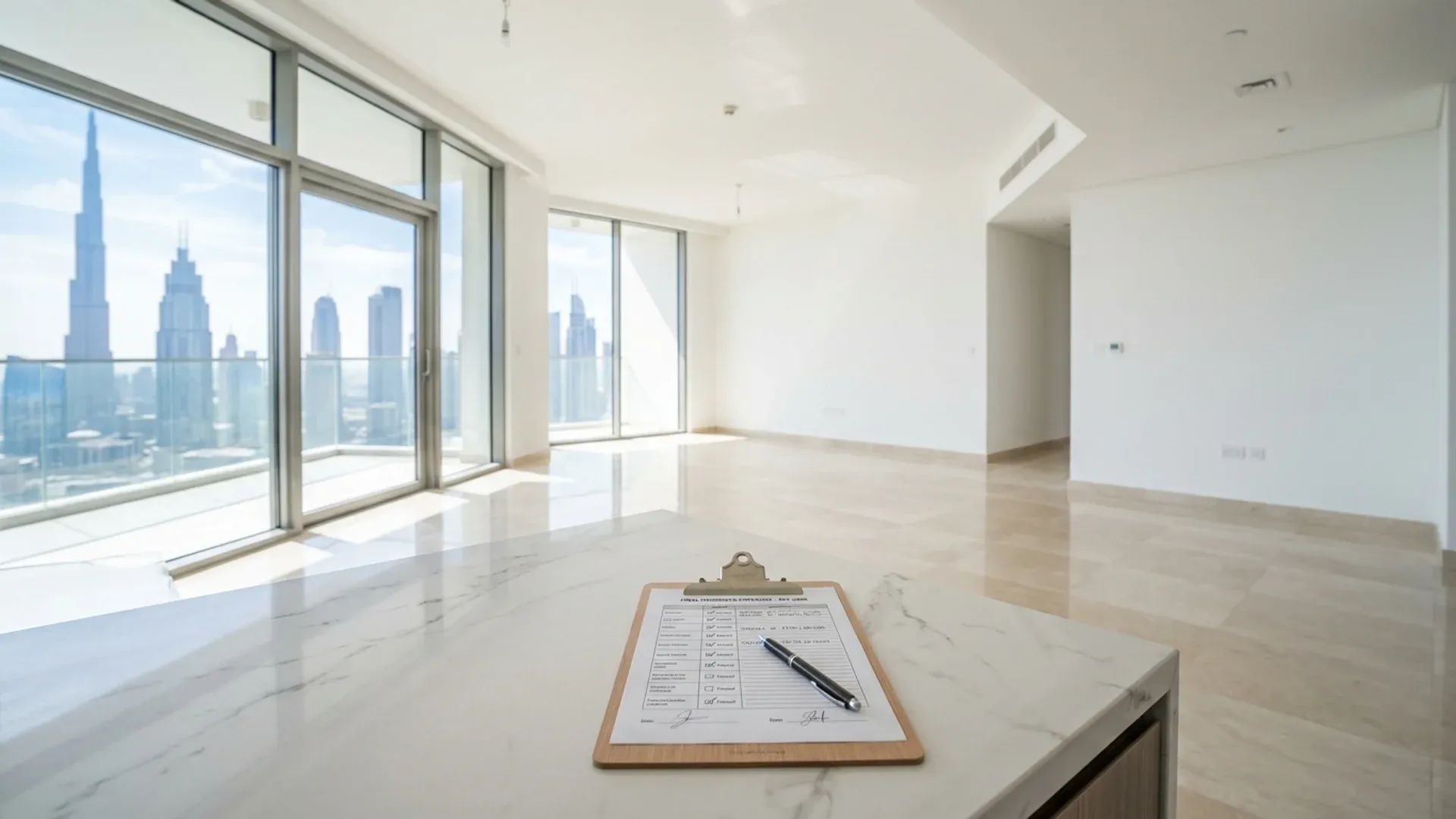
An apartment storage room is easiest to clear when you decide what stays before you book a collection. Start at the door, make a safe path through the room, separate personal documents and valuables, and photograph the bulky items that will leave. If the room is in a Dubai tower, check the service-lift and loading arrangements before fixing the collection time. A storage-room clearance can be booked as part of a wider house clearance, but it does not require emptying the whole apartment.
Start with the reason the room needs clearing
A storage room can hold a very different mix of belongings depending on why it is being emptied. A tenant approaching handover may need every loose item gone. Someone reclaiming the room may want only the broken furniture and empty cartons removed. A family moving between homes may need to retain labelled boxes for the movers and clear everything else. Write the finish line in one sentence before touching a shelf: “The room must be empty by Friday,” or “The shelves stay, but the floor must be clear.” That sentence is the decision rule when sorting becomes tiring.
Check whose items are in the room. A box with an unfamiliar name, equipment supplied with the apartment, or items belonging to a housemate should not be put in the removal pile by assumption. If this is a rented home, check the tenancy inventory and ask the landlord or agent about any fixtures that must remain. A built-in shelf and a freestanding rack are not the same thing. If you cannot tell whether an item is part of the property, leave it in place until you have an answer.
Set a realistic deadline that leaves room for the building booking. A storage room is small on a floor plan but can be dense with boxes and awkward pieces. The sorting time is often longer than the carrying time because every closed carton represents a decision. If a handover inspection is approaching, aim to finish the removal before the final cleaning and photography, rather than making the collection the last event of the day.
Make a clear path before opening everything
Begin at the door. Remove a few light items and create a space where you can put down a box without blocking the exit. Do not climb over loose objects or pull a heavy shelf forward while its contents are still on it. Keep the door able to open fully throughout the work. If the room is poorly lit, add a portable light so that labels, cables and the floor can be seen clearly.
Work one shelf or corner at a time. Emptying every box into the hallway creates a second problem and may breach building rules. A better sequence is to take one container out, decide its destination, close or bag what is leaving, and return what stays to one clearly marked zone. When the first shelf is done, move to the next. The visible progress helps you avoid repeatedly handling the same items.
Protect the route outside the room. Shared corridors are not a staging area unless building management has approved them. In a tower, trolleys and large pieces may need to follow a designated service route. If the room sits on a different floor from the apartment or parking bay, include that extra trip in the access plan. The service-lift booking guide explains the questions to ask management before a crew arrives.
Give every item one destination

Use four destinations: keep, give away, collection, and separate handling. Keep is for things you will actually use and have room to store. Give away is for clean, working items with a named recipient and a date for collection. The collection pile is for ordinary unwanted furniture, boxes and household items that a removal crew has agreed to take. Separate handling is for items whose condition or contents need an answer first, such as liquids, batteries, chemicals, confidential papers or anything you cannot identify.
Do not call an item a donation simply to postpone the decision. If nobody has agreed to take it before the deadline, it remains part of the clearance plan. A broken chair, water-damaged box or incomplete appliance is unlikely to be accepted by a recipient who needs something usable. The furniture donation guide helps distinguish realistic reuse from material that needs removal.
Open cartons enough to identify what is inside. You do not need to sort every screw and cable, but you do need to catch passports, photographs, keys, financial records, devices with personal data, and items that belong to someone else. Keep those with you, not in an unlabelled box marked for collection. If a box has been sealed for years, the label may describe what was in it when it was packed, not what is there now.
Sort the bulky pieces first
Large objects determine the collection plan. A spare wardrobe panel, folding bed, damaged desk, rolled carpet or unused shelving unit may occupy most of the room. Note its approximate size, whether it comes apart, and how it leaves the doorway. A shelving frame can be light but awkward; a box of books can be small but heavy. Both matter to a quote.
Do not dismantle furniture automatically. Taking apart a unit that will be reused may create a pile of unlabelled hardware. Leaving a tall unit assembled may make the service route impossible. Photograph it as it stands and ask the collector whether it should stay whole. If dismantling is needed, keep the screws in a labelled bag and separate any sharp edges. Our wardrobe removal guide explains the same whole-versus-dismantled decision for larger furniture.
Textiles deserve a separate check. Rolled rugs, spare bedding and curtains can conceal moisture, dust or pests after long storage. Bag loose textiles so they do not shed through common areas. Tell the collector if an item is wet or heavily soiled. Do not place an unknown or leaking item into the general collection pile to avoid an awkward conversation; it changes how the load can be handled.
Keep special materials out of the ordinary load
Storage rooms often collect the things people did not know where to put: part-used paint, cleaning liquids, batteries, aerosol cans, old electronics and broken lamps. These should be identified before a crew quotes. Do not mix liquid containers with paper and fabric, and do not pour their contents down a drain to make the container easier to remove. Ask what route applies to each material.
An old television or computer is different from a cardboard box. A device may hold personal information even when it no longer starts. Remove accounts and storage where possible, and ask about the actual disposal chain if records or data security matter. The e-waste guide covers the electrical route, while the acceptance guide explains why some materials need a separate arrangement.
If the storage room contains unknown chemicals or damaged containers, stop handling them and seek the appropriate specialist advice. A normal room-clearance booking should not be treated as a blanket promise that every substance can go on the truck. Accurate photos and descriptions before booking protect the crew, the building and the remaining belongings.
Photograph the job so the quote matches the room
Take one photo from the doorway, then photos of each wall and the floor. Open a cupboard or box only where the contents change what can be collected. Include close views of heavy or awkward items, and show the doorway and any narrow turn on the way out. A single close-up of a pile gives little sense of volume; a wide view alone can hide dense boxes behind furniture.
List what is staying in the photographs. For example: “The metal rack stays; everything on the floor leaves,” or “Only the blue-labelled boxes are for the movers.” If the room is still being sorted, say so and ask for a quote based on a defined pile rather than an imagined final amount. Adding six more boxes on collection morning can change both the vehicle space and the time required.
Tell the collector whether the room is inside the apartment, on a separate storage floor, or in a basement area. Note the parking height limit, distance to the loading bay, stairs and lift reservation. Those access details can matter as much as the number of boxes. The guide to estimating one truck load explains why loose items and dense cartons need different estimates.
Arrange the building route before collection day
Tower rules vary. Some buildings require a service-lift slot, an NOC, a moving form or security notice for bulky items. Others simply ask that a loading bay be reserved. Ask management which applies to the room and whether the booking covers collection from storage areas as well as the apartment. Get the permitted hours and the route in writing if possible.
Think through the route from the actual room to the vehicle. A basement store may open into a narrow corridor that cannot take a trolley. A room beside a lift may still be separated from the loading bay by a long ramp. If a piece is wider than the door or lift opening, flag it before the crew travels. The tower bulky-item guide helps map that route.
Do not leave unwanted furniture or bags beside the communal bins while waiting for the booked date. That moves the problem into a shared space and may break community rules. Keep the collection pile within the space you control until the agreed handover. If the deadline is too close for your original plan, ask about available collection slots rather than assuming that leaving items outside is an option.
Check the room when the collection is finished
Before the crew leaves, compare the room with your finish-line sentence. Look behind the door, on top of the highest shelf, under racks and in corners. Confirm that retained boxes and fixtures are still there, and that the intended removal pile is gone. If the room is part of a handover, take dated photographs after the collection and after cleaning.
The result may be a completely empty room or a functional room with a clear floor and labelled shelves. Either is a successful storage-room clearance when it matches the decision made at the start. The important work is deciding what belongs to the property, what belongs to you, and what route each unwanted item can actually take.
Questions that change the plan
Can the room be cleared while the apartment is occupied? Yes, if the keep zone and removal zone are clearly separated and the route to the door remains usable. Choose a collection window that does not block daily access to the home. Tell the crew which shelves, boxes and fixtures must stay. A small store is often easier to clear before the larger apartment because it gives the household somewhere to organise what will move with them.
Should everything be bagged first? No. Bag small loose items that would scatter, and close cartons that are already sorted. Leave heavy furniture and unidentified materials visible in the photographs. A sealed black bag gives neither you nor the collector a reliable record of what is inside. If several identical cartons are leaving, count them and note whether they contain books, clothes or light household goods.
What if the room is packed to the ceiling? Work from the accessible edge rather than pulling the centre out. Photograph the upper shelves and any hidden bulky item as soon as you can see them. If the floor is unsafe, stop sorting and ask for help with the lifting plan. The quote may need to be revised once the hidden contents are visible. That is more honest than pretending the first doorway photograph captured every item.
Can the crew decide what to throw away? The owner should decide what leaves. A crew can lift, load and remove the agreed material, but it should not be asked to choose between family records, keepsakes and unwanted belongings. If you cannot be present, label each group clearly and leave a responsible contact who can answer questions. Ambiguous boxes should remain until someone who knows their contents has reviewed them.