Electronic waste in Dubai has its own routes, and the general waste bin is not one of them. Dubai Municipality’s Waste Segregation Guide directs households to place e-waste at a Smart Sustainability Oasis or contact an approved e-waste processing company. Larger household appliances and electronics can go through the Municipality’s bulky-waste collection programme.
What counts as e-waste
E-waste is electrical or electronic equipment that has reached the end of its use. In a household, that means things like old phones, laptops, tablets, monitors, televisions, printers, routers, chargers, cables, small kitchen appliances and the larger appliances that plug in or run on batteries.
Dubai Municipality’s Technical Guideline No. 5 on waste classification treats electrical and electronic equipment as a separate category of special waste within household waste, alongside household hazardous waste, white goods, bulky items and tyres.
That separation is the practical point. E-waste is not ordinary general waste, and it is not the same thing as clean recyclables such as paper, bottles and cans. It needs a route of its own.
Batteries and lamps
Batteries and lamps sit close to e-waste. The Municipality’s Waste Segregation Guide gives them the same routes as electronic waste: a Smart Sustainability Oasis, or an approved e-waste processing company.
Remove batteries from devices where they are designed to be removed, and keep loose batteries together in a closed container rather than mixed with other waste. Never puncture, crush or heat a battery to make it smaller.
Large appliances
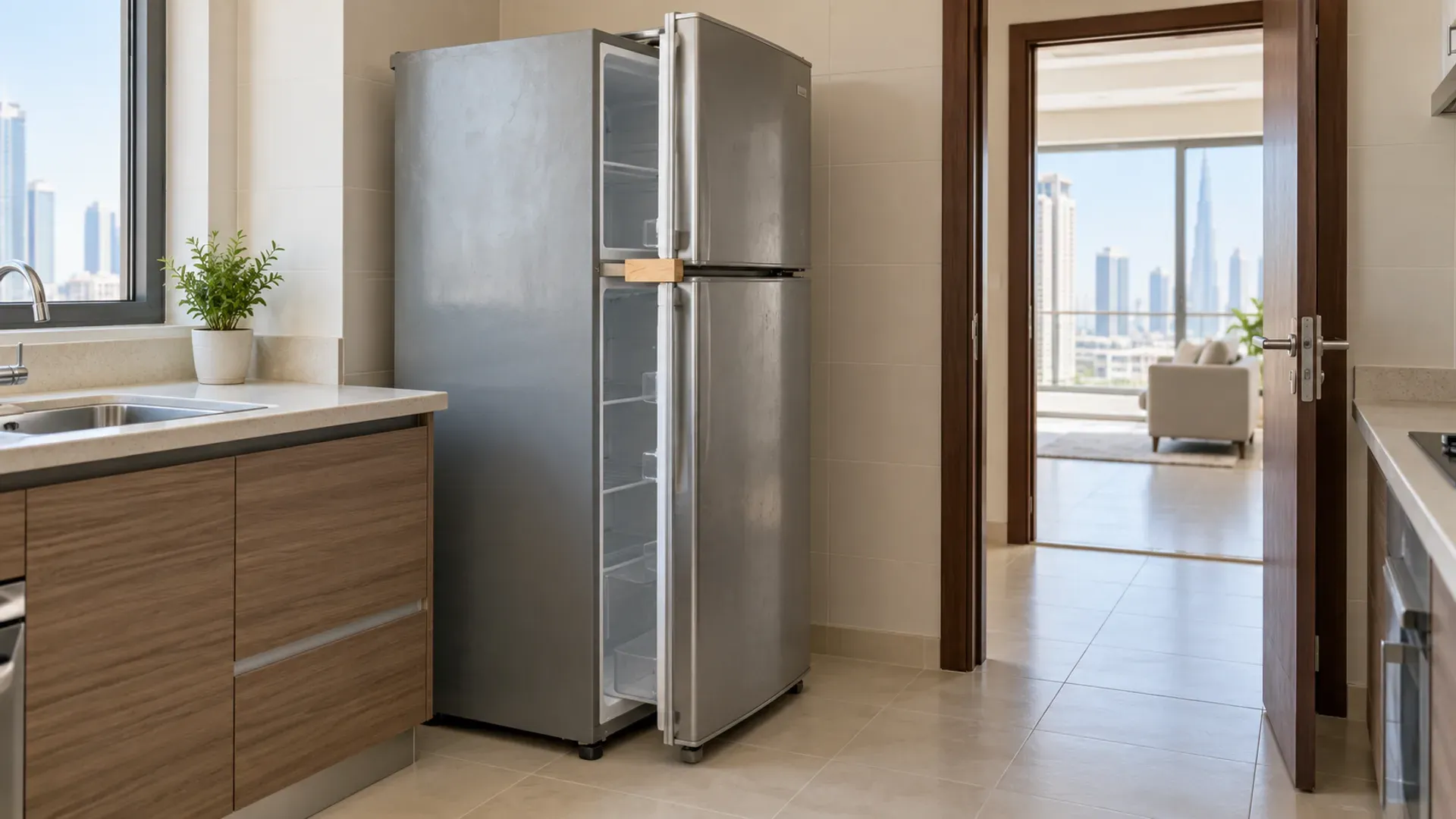
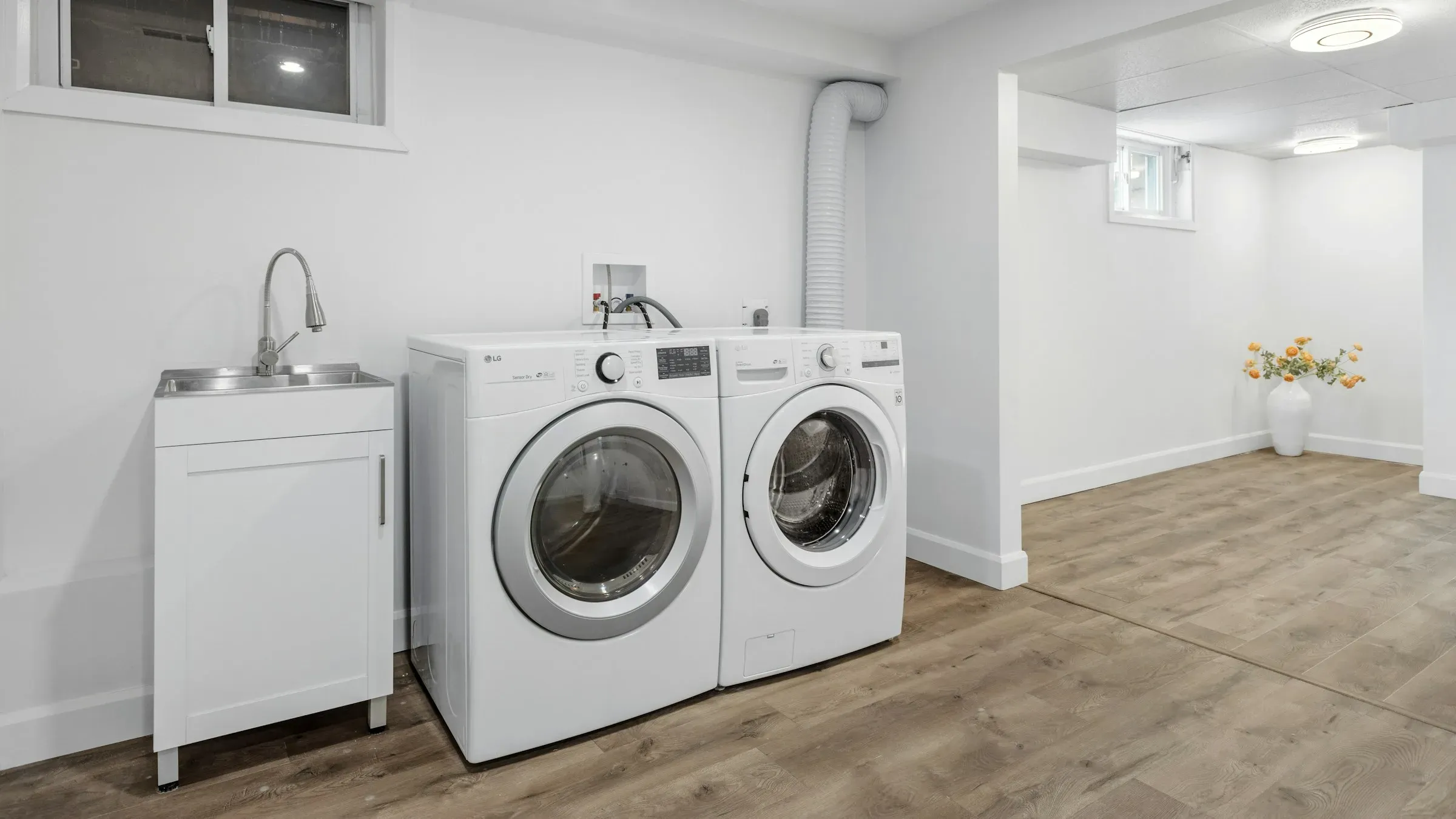
Fridges, washing machines, cookers and similar white goods are a separate group. The Waste Segregation Guide states that furniture and white goods can be managed through the Municipality’s bulky-waste collection programme, and gives the hotline 800-900.
Why e-waste stays out of the general bin
The Waste Segregation Guide sets a minimum “three bins” system for waste producers across the residential, commercial, industrial and institutional sectors: a green container for recyclable dry mixed materials, a black container for non-recyclable general waste and a brown container for organic waste.
None of those three containers is for electronics. E-waste is listed separately in the guide’s section on managing other types of material, with its own drop-off and collection routes.
Dubai’s waste law points the same way. Article 6 of Law No. (18) of 2024 Regulating Waste Management%20of%202024%20Regulating%20Waste%20Management.html) prohibits dumping materials that may damage a waste container or a waste transport vehicle. A swollen battery or a cracked screen in a compacting truck is exactly the kind of material that causes problems.
The guide to what Dubai bins won’t take covers the full list of materials that need a route other than the household bin.
Route one: a Smart Sustainability Oasis
What it is
Smart Sustainability Oasis centres are Dubai Municipality drop-off points for sorted materials. The Waste Segregation Guide names them as a destination for electronic waste, batteries and lamps, and clothing.
Where they are
The guide lists Smart Sustainability Oasis centres at Al Twar Center, the Quranic Garden in Al Khawaneej, Mirdif Park and Nadd Al Hamar Park, and refers readers to the Municipality for the other centres. Check the current list and the specific container types before you travel, because locations and accepted materials can change.
What suits this route
A drop-off point suits small, portable electronics that one person can carry: phones, chargers, cables, small appliances, laptops, tablets and batteries. Read the signage at the centre and use the container intended for the item.
Preparing for a drop-off
- Back up and wipe any device that stores personal data.
- Sign out of accounts and remove SIM and memory cards.
- Remove batteries where they are designed to come out.
- Keep loose batteries together in a closed container.
- Bring cables and chargers bundled, not tangled with other waste.
- Leave nothing outside the containers if a slot is full.
Route two: an approved e-waste processing company
What it is
The Waste Segregation Guide states that a household or individual may contact any approved e-waste processing company. This is the route for larger quantities, items too big to carry to a drop-off point, or a household clear-out with many devices.
How to check a company
Ask the company directly whether it holds the approval or permit its activity requires. Article 9 of Law No. (18) of 2024 states that no person may carry out a waste-management activity without first obtaining the relevant permit from Dubai Municipality.
Ask what it accepts, whether it collects or requires drop-off, whether there is a charge and what documentation it can provide. A company that cannot explain where the equipment goes is not giving you the assurance this route is meant to provide.
Data on devices
Collection does not erase your data. Wipe phones, laptops, tablets and external drives yourself, or ask the processing company how it handles data-bearing devices and what it will confirm in writing. This guide does not assess any particular company’s data-handling process.
Route three: Dubai Municipality bulky-waste collection
What it covers
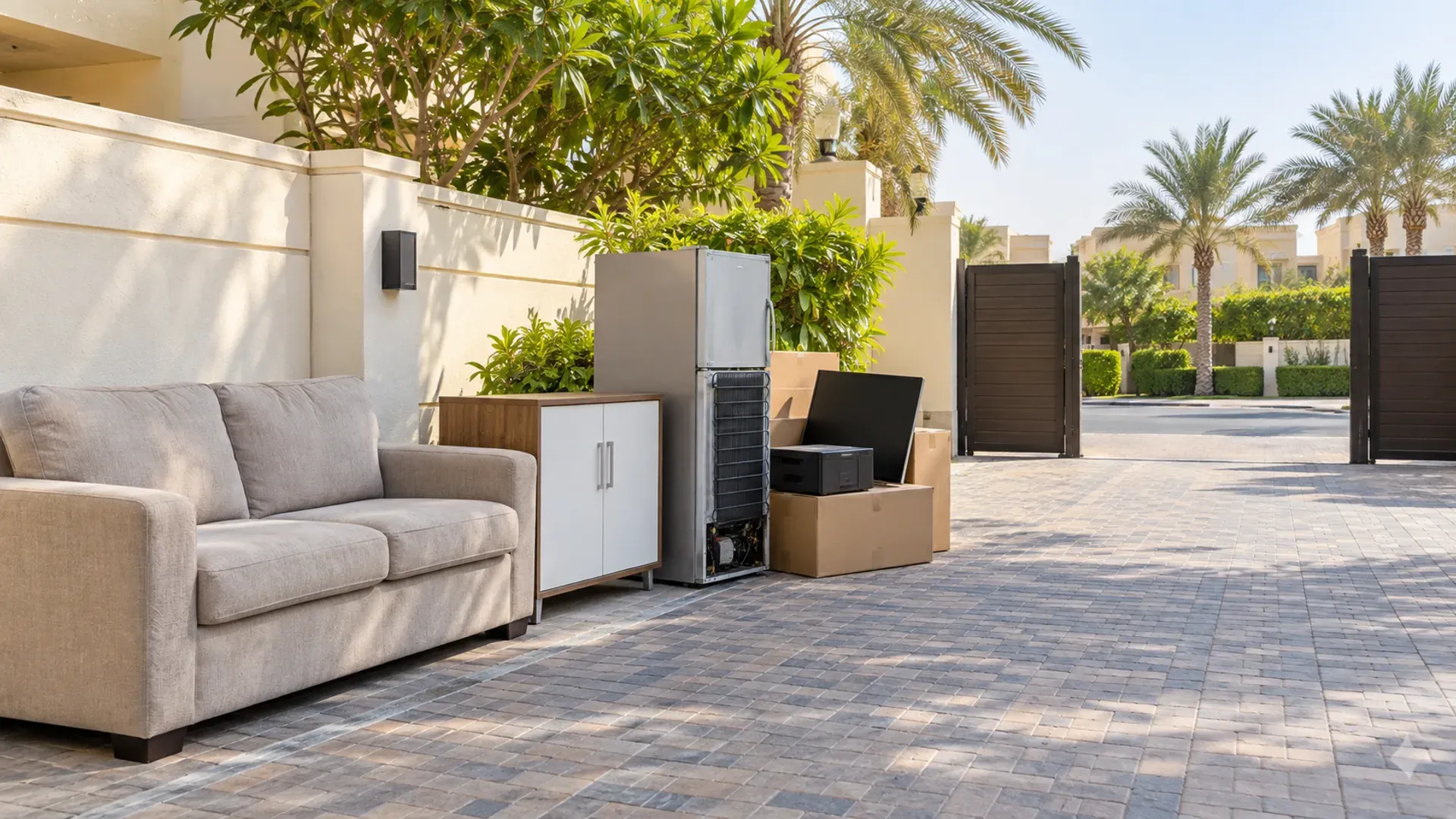
The Dubai Municipality services directory describes a free service for disposing of household appliances and furniture, naming bulky waste such as furniture and electronics, with a published service time of three working days. An official Municipality announcement lists used household furniture, electrical appliances and electronics as examples.
This is the most direct route for a large television, a fridge or a washing machine at an eligible address.
Eligibility
The directory states that the service does not include investment zones, and the announcement describes exclusions for real-estate development zones and free zones. Check your exact address through the official service before planning around it.
The official bulky-waste service guide explains how to prepare a request and stage items safely.
Sorting a mixed load of electronics
A move-out or office clear-out can produce several kinds of electronic waste at once. Sorting them before anyone collects anything makes each route simpler.

Group one: data-bearing devices
Phones, laptops, tablets, desktop towers and external drives. Wipe or remove storage first, then decide on the route.
Group two: small electronics and accessories
Chargers, cables, routers, speakers, small kitchen appliances and similar items. These suit a drop-off point or an approved e-waste company.
Group three: batteries and lamps
Keep these together and separate from everything else. They have their own containers at drop-off points.
Group four: large appliances and screens
Fridges, washing machines, cookers, large televisions and similar items. These suit the bulky-waste programme at an eligible address, an approved e-waste company or a paid collection.
Group five: anything uncertain
A damaged battery pack, a leaking appliance or an item you cannot identify. Ask the relevant route before adding it to any load.
When paid collection helps
Some e-waste jobs involve more than delivering items to a drop-off point. A large television on an upper floor, a fridge in a tight kitchen, or a mixed household clearance may need labour and a defined schedule.
Paid collection can make sense when the address is outside the bulky-waste service area, when items need carrying from inside, when a deadline is fixed or when electronics are part of a larger clearance. The appliance disposal service collects appliances and electronics from photos of the items and access.
Ask any paid provider the same questions you would ask an e-waste company: where the equipment goes, and what it will and will not accept. Disconnection of fixed or plumbed appliances, or anything containing refrigerant, should be arranged with a qualified technician before collection. The fridge-disposal guide covers preparing a refrigerator, and the old AC unit guide explains why split units need particular care.
Specific items
Televisions and monitors
Screens are fragile and can be heavy. Keep them upright, protect the face of the screen and do not stack other items on them. Small monitors can go to a drop-off point; large televisions suit the bulky-waste programme or a collection.
Laptops and phones
Wipe them first. Remove SIM and memory cards. Swollen batteries should be handled with care and kept away from heat.
Printers and ink
Remove cartridges and ask the drop-off point or e-waste company whether it accepts them with the printer or separately.
Small kitchen appliances
Kettles, toasters, microwaves and similar items are electronics, not general waste. Empty and clean them before handing them over.
Cables and chargers
Bundle them together. They are small but belong with e-waste rather than in the general bin.
Reuse before disposal
A working laptop, monitor or small appliance may still be useful to someone else. Giving it directly to a recipient who wants it keeps it in use for longer and removes it from the waste stream entirely.
Wipe data-bearing devices first, include the charger and any accessories, and be honest about faults. A device that does not power on, has a swollen battery or a cracked screen is waste rather than a gift.
Agree a collection time with the recipient. Electronics waiting in a corridor or lobby for someone who never arrives become the same problem as any other item left outside.
Electronics in a move-out
A move-out can surface years of accumulated electronics: drawers of old phones and chargers, a spare monitor, a broken printer, a television that will not fit the new place.
Start early. Sort electronics into the groups above a week or more before the move, rather than on the last day. Small items can go to a drop-off point in a single trip. Large appliances and screens need a collection booked in advance, especially where the bulky-waste service time or a building’s lift schedule applies.
The end-of-tenancy planning guide sets out a fuller move-out timeline.
Common mistakes
- Putting phones, chargers or batteries in the general household bin.
- Handing over a laptop or phone without wiping it.
- Leaving electronics beside a full drop-off container.
- Assuming the bulky-waste service covers every address.
- Cutting cables or opening devices to make them smaller.
- Mixing damaged batteries with other waste.
- Giving equipment to someone who will not say where it goes.
- Disconnecting a refrigerant-containing appliance yourself.
Before you dispose of electronics
Sort the items into the groups above. Wipe and remove storage from data-bearing devices. Separate batteries and lamps. Decide which items suit a drop-off point, which suit an approved e-waste company and which suit the bulky-waste programme or a paid collection.
Keep everything inside the property until the chosen route collects it. Electronics left outside are exposed to weather, can be damaged, and may breach the rules described in the dumping fines guide.
Keep the source date visible
The official guidance cited here was checked on 2 October 2026 against Dubai Municipality’s Waste Segregation Guide, its waste classification guideline, its services directory and the Dubai Legislation Portal. Drop-off locations, accepted materials and service terms can change, so the current official sources control.
E-waste in Dubai has three clear routes: a Smart Sustainability Oasis for small items, an approved e-waste processing company for larger or more varied loads, and the Municipality bulky-waste programme for appliances and large electronics at eligible addresses. Wipe your data, sort the load and choose the route that fits each group, and nothing electronic needs to go in the household bin.
Questions about e-waste in Dubai
Can I put old electronics in my building’s bin?
No. The Municipality’s Waste Segregation Guide gives electronic waste its own routes: a Smart Sustainability Oasis or an approved e-waste processing company. It does not belong in the general, recyclables or organic containers.
Where can I drop off batteries in Dubai?
The Waste Segregation Guide directs batteries and lamps to a Smart Sustainability Oasis or an approved e-waste processing company. It lists centres including Al Twar Center, the Quranic Garden in Al Khawaneej, Mirdif Park and Nadd Al Hamar Park.
Does the Municipality collect old televisions?
Its bulky-waste service names electronics alongside furniture and appliances, for eligible addresses. Check your address through the official service and describe each item accurately in the request.
Is e-waste collection free?
The Municipality’s bulky-waste service is described as free in its directory. The Waste Segregation Guide does not mention a charge for placing material at a Smart Sustainability Oasis, but check the centre’s current instructions. Approved private e-waste companies set their own terms, so ask before arranging a collection.
How do I protect my data when disposing of a laptop?
Back up what you need, sign out of accounts and wipe the device yourself before it leaves your hands. If you use an e-waste company, ask how it handles data-bearing devices and what it confirms in writing.