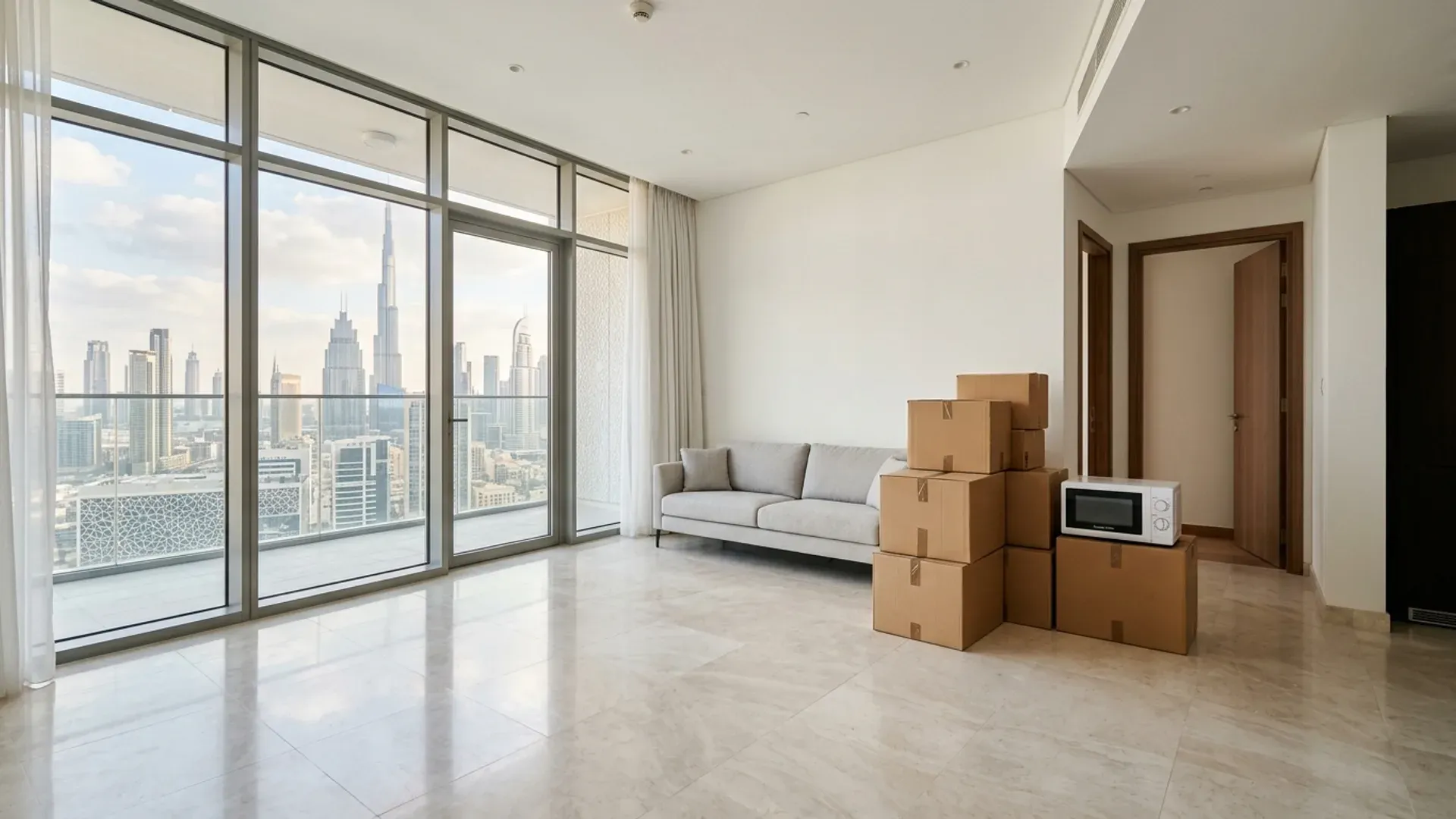
A seasonal clear-out works when it is planned as one project with a fixed end: a date by which everything leaving the home is sorted, grouped and collected. Without that date, spring cleaning turns into weeks of sorting that ends with full bags waiting in a storage room, which is where the clutter was in the first place.
So set the collection date first, then work backwards. Choose the spaces you are clearing, sort each one into clear groups, stage what is leaving in one place, and have it taken away on the day. The cleaning that follows is easier because the rooms are already empty of what should not be there.
Pick the moment that suits your household
"Spring cleaning" is a habit from colder climates, but the idea of a yearly reset works anywhere. In Dubai, the useful question is not which season it is but which moment gives you time, space and a reason. Useful triggers include:
- Before a long summer trip, so you return to a clearer home.
- When the school year changes and children have outgrown clothes, toys and furniture.
- After a holiday period when new things have arrived and older ones have been replaced.
- Before a lease renewal, when you are deciding whether the home still fits.
- Before family visits, when the guest room has become the storage room.
- Before Ramadan, when the majlis, guest room and kitchen need to be ready for hosting; the pre-Ramadan clear-out guide sets out a timeline.
- After a renovation or a furniture upgrade, when the old pieces are still in the house.
Outdoor areas, garages and storage rooms without air conditioning are easier to work in during the cooler months, so if those spaces are part of the plan, factor the weather into the date.
Whatever the trigger, choose a period when you can give the job a few concentrated sessions rather than an hour here and there. A clear-out that stretches for months loses momentum and leaves half-sorted piles in every room.
Plan it as a project, not a mood
The difference between a clear-out that finishes and one that drifts is planning. Treat it like any other project with a deadline.
Fix the collection date
Choose the day when everything leaving will be taken away. Book it, or at least decide it, before you start. Every other step works back from this date.
List the spaces
Walk through the home and write down every space that needs attention. Be specific: "storage room under the stairs", "children's wardrobe", "balcony", "garage shelves". A list of spaces is easier to schedule than a general intention to declutter.
Allocate sessions
Give each space a session in the days or weeks before the collection. Start with the spaces that hold the most bulky items, because they create the biggest staging needs and take longest to decide on.
Prepare the staging area
Choose one place where everything leaving will be grouped: a spare room, the garage, a cleared corner of the living room or a covered area inside the villa boundary. It should be away from the main walkway and easy to reach from the door.
Arrange the routes for each group
Decide in advance how each group will leave: items you are giving to friends, things for donation, household waste for the bins, and bulky items for collection. Knowing the route stops items piling up in limbo.
Two example schedules
These are illustrations of how the plan fits together, not fixed rules. Adjust them to your home and your available time.
A two-bedroom apartment over two weekends
On the first weekend, clear the storage cupboard and the balcony on Saturday, then the wardrobes and the children's room on Sunday. During the week, offer usable items to friends and set a collection deadline for them. On the second weekend, sort the kitchen and the home office on Saturday morning, bring everything leaving into the spare room in the afternoon, and have the collection on Sunday. Clean the cleared spaces once the crew has gone.
A villa over three weeks
In the first week, clear the garage and outdoor store, separating paint and chemicals as you go. In the second week, work through the storage room, the maid's room and the children's rooms, one per session. In the third week, finish the kitchen, wardrobes and terrace, stage everything in the garage, and book the collection for the end of the week. If the garden holds a lot of material, consider a separate garden visit earlier so the main collection stays manageable.
In both cases the collection date is fixed before sorting starts, and every session ends with items moved into their groups rather than left in the room.
The spaces that hold the most
Some spaces collect far more than their share. Give them priority. In a one- or two-bedroom flat, the guide to decluttering a small apartment works through each room in turn.
Storage rooms and cupboards
Storage rooms fill gradually with things that have no other home: suitcases, spare furniture, old appliances, seasonal decorations and boxes from previous moves. Empty the room completely onto a clear floor if you can. Seeing everything at once makes decisions faster.
Garage and outdoor stores
Garages and outdoor stores can hold tools, sports equipment, old bicycles, paint tins, garden furniture and items waiting for a repair that never happened. Check for anything hazardous before sorting; see the section on chemicals and paint below.
Children's rooms
Clothes, toys, books and furniture are outgrown in stages. A yearly review is natural, especially around the school year. Involve children in deciding what to pass on where that suits your family.
Wardrobes
Clothes and shoes accumulate steadily. Sort into keep, pass on and dispose. Pass on clean items in good condition; textiles that are worn out need disposal rather than donation.
Kitchen and pantry
Check for duplicate equipment, expired food and appliances that no longer earn their space. Working small appliances can be passed on; broken ones are electrical waste.
Balcony, terrace and garden
Outdoor spaces collect broken furniture, empty pots, old barbecues and items moved outside "for now". Clearing them can return a whole usable area to the household. Heavy garden material such as soil and filled planters needs its own plan; the guide to soil, sand and pots explains how to prepare it.
Home office
Old monitors, printers, chargers and cables gather around desks. Back up and wipe any device that stores data before it leaves the house, then send it through an electronic-waste route.
Sort into clear decision groups
The sorting method matters less than consistency. Use the same groups in every room so that items from different spaces can be combined in the staging area.
- Keep: used, needed or genuinely wanted, and with a place to live.
- Pass on: clean, working and complete items that someone else can use.
- Dispose: ordinary household waste that can go in the bins.
- Collect: bulky items and mixed loads that need to be carried out and taken away.
- Special route: electronics, batteries, chemicals, paint and anything you are unsure about.

Laying the groups out separately, as in the plan above, keeps decisions visible and stops items drifting back into the house. Keep important documents in a separate secure box so they are not lost in the sorting. Leave a clear route from the groups to the door so the collection can happen without moving everything twice.
Items that need a different route
A seasonal clear-out can uncover items that cannot go with the general load.
Chemicals, paint and pesticides
Old paint tins, cleaning chemicals, pesticides and fertilisers can turn up at the back of garages and under sinks. They should not be mixed into household waste or a junk collection. Dubai Municipality's Waste Segregation Guide directs paint and pesticide containers to an approved hazardous waste company. Keep them sealed, upright and separate.
Gas cylinders
Gas cylinders from barbecues or camping equipment need a specialist route. Do not put them in a bin or a collection load.
Electronics and batteries
Electronics, batteries and lamps have their own disposal channels. The e-waste guide explains where they go.
Items you are unsure about
If you do not know what something is or how to dispose of it, keep it in the special-route group and ask before including it in any load. The guide to what Dubai bins won't take covers the main categories.
Passing things on
A seasonal clear-out can produce a lot of usable items. Passing them on is better than disposal, but it takes time and depends on condition.
Clean, complete items are the easiest to give away: furniture without damage, working appliances, toys and books in good order. Offer them to friends, colleagues, neighbours or community groups, and set a deadline for collection that falls before your clear-out collection date.
If donation is part of the plan, the guide to donating furniture explains what recipients generally accept and why some offers are declined. Anything not collected by your deadline moves to the collect group so it does not linger.
Staging day
The day before collection, bring everything leaving into the staging area. Check each group:
- Is everything in the collect group something you are sure about?
- Are hazardous items and electronics separated?
- Are bags tied and boxes closed?
- Can anything that needs dismantling be identified?
- Is the route from the staging area to the door clear?
- Have you told building or community security about the collection if your building requires it?
Take a photo of the staging area. It is the best description of the load you can give anyone who is collecting it.
Collection day
A household clear-out of this kind is what a general junk removal visit is for: everything you no longer need, carried out and taken away in one visit. Send the photos of the staging area and any items stored elsewhere, and the quote comes back at a fixed price covering labour, loading and disposal. The crew carries, dismantles where needed and loads, and sweeps the area before leaving.
A typical general collection runs with two to three crew and a covered truck, and takes anywhere from forty-five minutes to half a day depending on the volume. Pickups run seven days a week, so the collection can be scheduled for whichever day suits your clear-out.
After collection, the load is sorted by material. Usable items are passed on rather than dumped, metal, wood and e-waste go to licensed handlers, and the remainder goes to approved municipal facilities. Hazardous chemicals, paint solvents, gas cylinders and medical waste are not accepted, which is why they need separating in advance.
If the clear-out is large enough to cover the whole property, for example ahead of a move or a handover, it is a clearance rather than a seasonal tidy-up. The guide to how long a villa clearance takes explains how larger jobs are planned.
Keeping the reset going
A yearly clear-out is easier when the home is maintained in between.
- Keep a small box in a cupboard for items to pass on, and empty it when it fills.
- When something new arrives, decide what it replaces.
- Remove delivery packaging the same day.
- Review storage rooms and outdoor spaces every few months.
- Deal with broken items when they break, rather than storing them for repair.
- Note in your calendar when the next seasonal clear-out is due.
The reset then becomes a short review rather than a major project.
Frequently asked questions
How long should a seasonal clear-out take?
It depends on the size of the home and how much has accumulated. Planning it as a few focused sessions ending in a fixed collection date keeps it from stretching on. The sorting takes the time; the collection itself is a single visit.
Can I mix old paint tins into the collection?
No. Paint, chemicals, pesticides and gas cylinders need separate specialist routes. Keep them sealed and apart from the general load.
Do I need to sort everything before the crew arrives?
It helps to group what is leaving and separate anything hazardous. The crew lead confirms the inventory with you before loading, so the clearer the groups, the quicker that check.
Can the collection be on a weekend?
Pickups run seven days a week. Tell us the day you want and check whether your building or community has rules for weekend access.