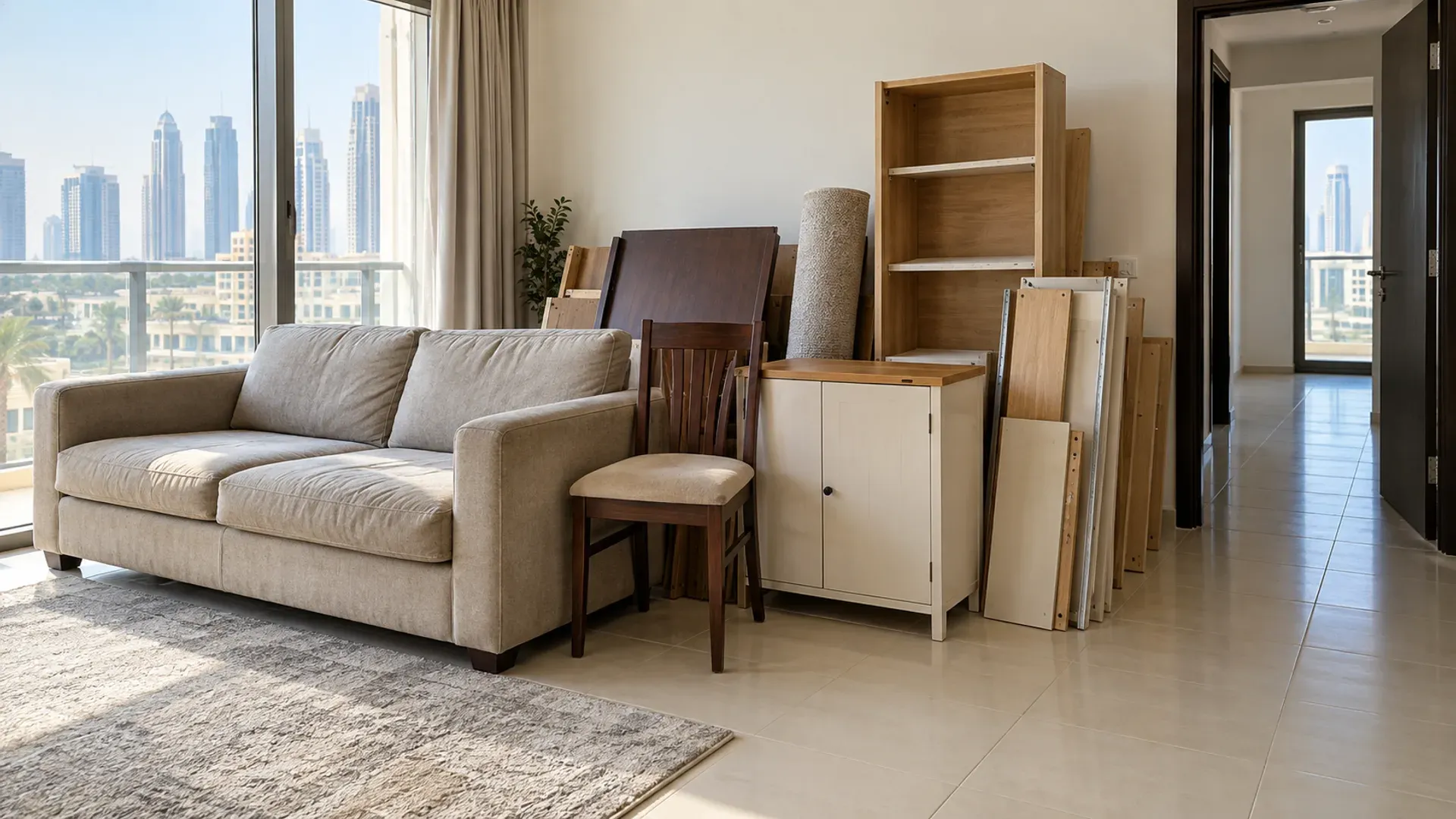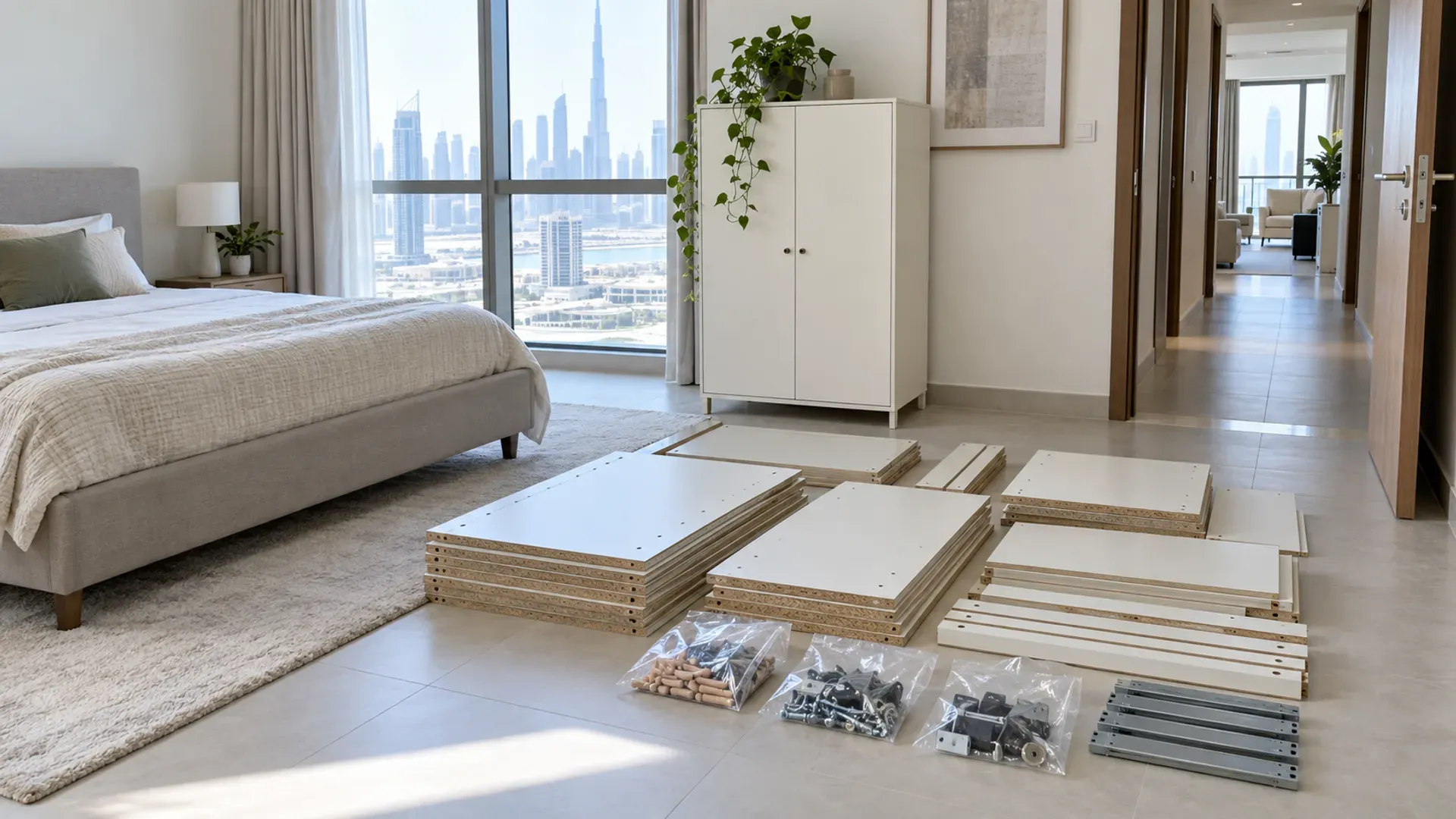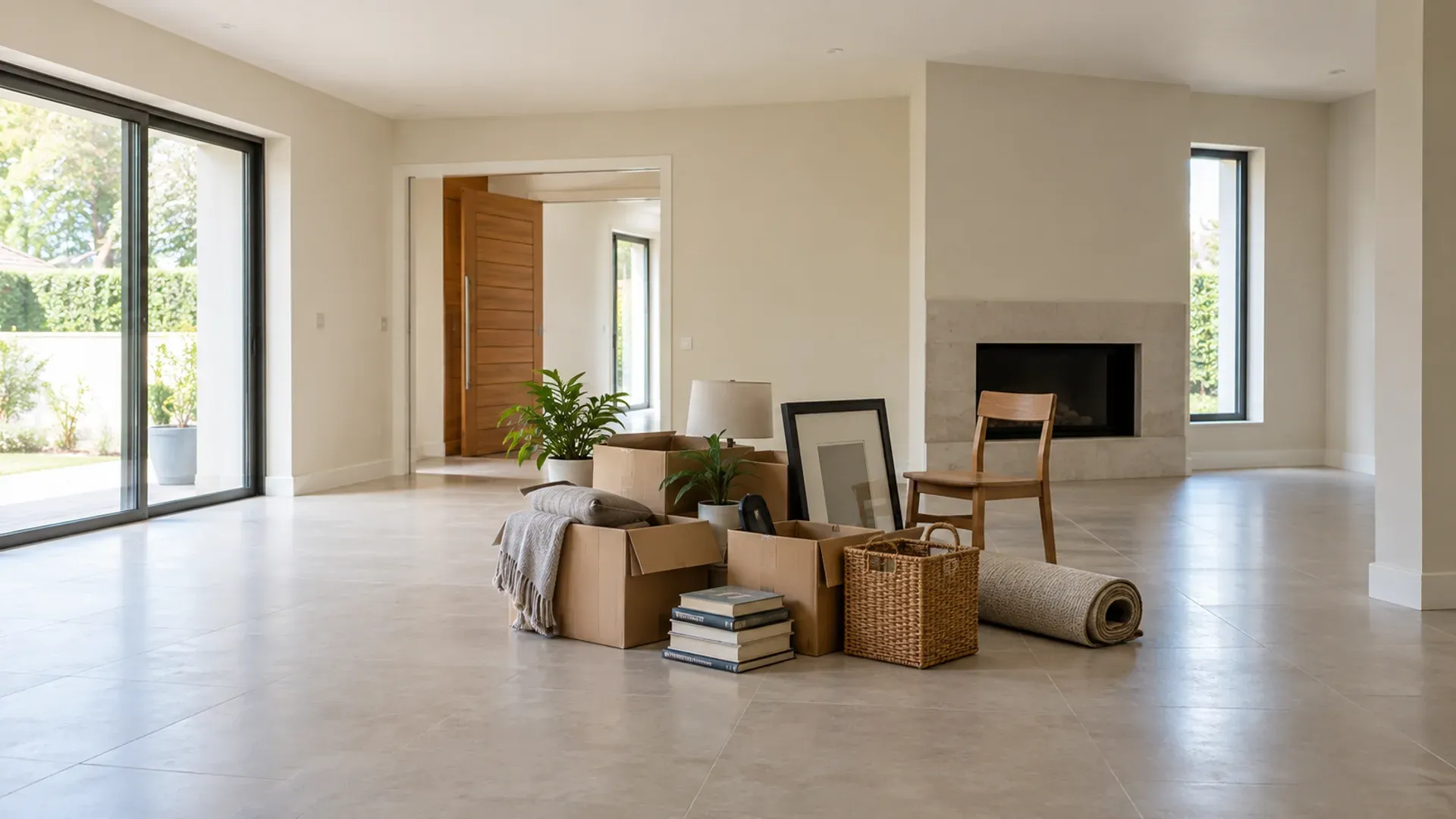
The best time to clear out the home for Ramadan is in the weeks before it begins. Once the month starts, routines change: days are shaped around fasting and iftar, evenings fill with family and guests, and the energy for carrying furniture and sorting storage rooms is better spent elsewhere. Finishing the heavy work beforehand means the majlis, the guest room and the kitchen are ready when they are needed.
A pre-Ramadan clear-out has three practical goals: make room for hosting, pass on what others can use, and remove what is broken or no longer needed. The plan below works back from the start of the month, with a margin, because the exact start date is confirmed close to the time.
Why clear out before the month rather than during it
Planning a clear-out for the weeks before Ramadan avoids several practical problems.
Fasting changes when people have energy and time. Sorting a storage room or moving a wardrobe is physical work, and it is easier to do it on a normal schedule than to fit it around the day's rhythm during the month.
Homes are used differently. Families who host iftar or receive visitors need seating, clear walkways and a guest room that is not doubling as storage. Getting those spaces ready in advance means hosting starts without a backlog.
Building and community rules can change. Buildings and communities may set different hours for contractors, moving and deliveries during Ramadan. If your clear-out depends on a lift booking or a gate pass, arranging it beforehand avoids discovering new restrictions on the day. Ask your building or community management what applies to you.
Passing items on takes time. If you intend to give furniture or household goods to people who can use them, collection by the recipient needs to happen before your deadline. Starting early gives donations time to find a home.
A timeline that works back from the start of the month
Because the start date follows the lunar calendar, plan to have the clear-out finished a few days before the earliest expected date. A simple countdown:
- Four weeks before: walk through the home and list the spaces to clear. Decide which rooms need to be ready for guests.
- Three weeks before: sort the spaces into keep, pass on, dispose and collect. Offer usable items to recipients and set a collection deadline.
- Two weeks before: check building or community rules for collections. Send photos and book the removal of bulky items. Book any lift slot or gate pass the building requires.
- One week before: have the collection done. Clean the cleared spaces and arrange furniture for hosting.
- The final days: finish small tasks, stock the kitchen and settle the home.
If the timeline is already shorter than this, keep the order and compress the steps. The important part is that the bulky items leave before the month begins.
Making room for guests
Hosting changes what a home needs. Look at each space with guests in mind.
Majlis and living room
Count the seating you will need and compare it with what you have. Old sofas with broken frames, sagging floor cushions, cracked side tables and worn rugs can be cleared to make room for seating that works. If new furniture is arriving before Ramadan, the old pieces need to leave first; the guide to removing the old sofa before the new one arrives explains how to time it.
Dining area
A dining area used for iftar with family needs space around the table. Clear extra furniture, storage units or items that have drifted into the room. If the table itself is being replaced or extended, plan its removal alongside the other bulky pieces.
Guest room
A guest room can become storage: suitcases, boxes, spare furniture and items waiting for a decision. Empty the room, sort what was in it and keep only what belongs in a guest room. A bed, clear surfaces and an empty wardrobe make visitors comfortable.
Kitchen and pantry
Cooking for more people needs counter space, cupboard space and working appliances. Clear duplicate equipment, expired food and appliances that no longer work. An old fridge or freezer being replaced should be emptied and defrosted before collection; the fridge disposal guide explains the preparation.
Outdoor seating
Villas and townhouses that host outdoors may have garden furniture that is faded, broken or unsafe. Clear it with the rest of the bulky items so outdoor seating is ready when evenings are spent outside.
Passing things on
Ramadan is closely associated with giving. Furniture and household goods in good condition can be useful to someone else, and passing them on is better than throwing them away.
Be honest about condition. Recipients can use items that are clean, complete and safe. Broken frames, stained upholstery and missing parts make an item waste rather than a donation, however good the intention. The guide to donating furniture explains what makes furniture genuinely usable and how to approach recipients.

Each item has a realistic route. A good piece can be reused at home or given to a recipient who collects it. Pieces that cannot be passed on can go through the official bulky-waste service or a paid collection. Decide the route for each item early, so donations that are not collected in time can still leave before the month begins.
Give recipients a clear collection deadline. If an item has not been collected by then, move it to the collection group. Furniture that lingers in a hallway waiting for a recipient defeats the purpose of clearing the home.
Sorting the rest of the home
Beyond the hosting spaces, a pre-Ramadan clear-out is a chance to reset the whole home.
- Wardrobes: clothes that no longer fit or are no longer worn can be passed on if clean and in good condition.
- Children's rooms: outgrown toys, books and furniture can go to families who will use them.
- Storage rooms: empty them, sort the contents and keep only what has a use.
- Balconies and terraces: remove broken furniture and empty pots.
- Garage and outdoor store: check for old paint, chemicals and gas cylinders, which need a separate specialist route and cannot go in a general collection.
Electronics, batteries and lamps also need their own route. The guide to what Dubai bins won't take sets out the main categories.
Apartments and villas: what changes
The plan is the same in any home, but the practical steps differ.
In an apartment
Space is tighter, so the staging area matters more. Group everything leaving in one room rather than the hallway, and keep the route from that room to the front door clear. Shared corridors and lift lobbies are not storage space, even for a day. Check whether the building needs a service-lift booking or a move-out permit for furniture leaving the tower, and book it before the month starts. If guests will be arriving at the building in the evenings, a collection earlier in the day keeps the lift and lobby free for them.
In a villa
Villas have more space but also more of it to clear: storage rooms, the maid's room, the garage, outdoor seating and the majlis. Start with the spaces guests will use and leave back-of-house areas for later if time is short. If the villa is in a gated community, check the community's contractor rules and arrange any gate pass in advance. Outdoor furniture and garden material can be cleared in the same visit as the indoor items when they are included in the photos.
Preparing items for collection
A little preparation makes the collection quicker and avoids surprises.
- Empty drawers, wardrobes and cabinets of anything you want to keep.
- Empty and defrost any fridge or freezer that is leaving, and leave the doors open to dry.
- Bag loose items and close boxes so they can be carried in one trip.
- Point out pieces that may not fit through doors whole, such as large wardrobes and bed frames.
- Separate anything you are not sure about, along with paint, chemicals and gas cylinders.
- Set aside anything you want to keep or give to a specific person, and label it clearly.
- Take a photo of the grouped items; it is the most accurate description of the load.
The crew lead confirms the inventory with you before loading, so clear groups and labels make that check fast.
Common mistakes before Ramadan
- Starting too late, so the clear-out runs into the first days of the month.
- Waiting for donation recipients without a deadline, leaving furniture in the hallway.
- Forgetting the building's rules for collections, lift bookings or gate passes.
- Leaving the guest room until last, when it is the room most likely to be needed first.
- Booking the collection before deciding what is leaving, then adding items on the day.
- Mixing hazardous items such as paint or gas cylinders into the general load.
- Clearing the living areas but leaving the kitchen, where hosting puts the most pressure on space.
Each of these is avoided by fixing a finish date with a margin and working back from it.
Getting the bulky items out
Once the hosting spaces are planned and the donations are arranged, the remaining bulky items need to leave in one go.
Group everything in one place, away from the main walkway and close to the door. Note pieces that may need dismantling, such as wardrobes, beds and large dining tables. Check the building's rules for collections and arrange any lift booking or gate pass.
Furniture removal covers sofas, beds, mattresses, wardrobes and dining sets. A two-person crew with tools dismantles where needed and carries the pieces out; most single items take under an hour. Where the building requires a service-lift booking, it is arranged as part of the job. Send a photo of what is going and the quote comes back at a fixed price covering labour, loading and disposal.
After collection, usable furniture is separated at the yard and passed on rather than dumped, and the rest goes to licensed handlers or approved municipal facilities. Pickups run seven days a week, so the collection can be booked for the day that suits your timeline. Tell us the time you would prefer, and the slot is confirmed when you book.
For a larger clear-out covering most of the home, the guide to planning a seasonal clear-out explains how to schedule it as a project.
If the month has already started
If Ramadan has begun and the clear-out is not done, a smaller plan still helps. Focus on one hosting space at a time. If guests are due within days, start with the room they will use and leave storage spaces until after Eid. Move items that are leaving into a single room so they do not interfere with guests. Check your building's current hours for collections before booking, and choose a time that suits your household's routine. A single collection for the grouped items is less disruptive than several small ones.
Then plan a fuller clear-out for after Eid, when routines return and new items received as gifts may replace older ones.
Frequently asked questions
Can furniture be collected during Ramadan?
Pickups run seven days a week. Your building or community may set specific hours for collections during the month, so check those first and tell us the time that suits you when you book.
How early should I book a collection before Ramadan?
Book once you know what is leaving, ideally two weeks before the month starts. That leaves time to arrange any lift booking or gate pass and to have the collection done with a few days to spare.
Will usable furniture be passed on?
Usable furniture is separated after collection and passed on rather than dumped. If you want a particular recipient to have an item, arrange that directly and set it aside before the collection.
Can old floor cushions and majlis seating be removed?
Yes. Floor cushions, majlis seating and sofas are furniture and can be collected with the rest of the load. Include them in the photos so the quote covers them.