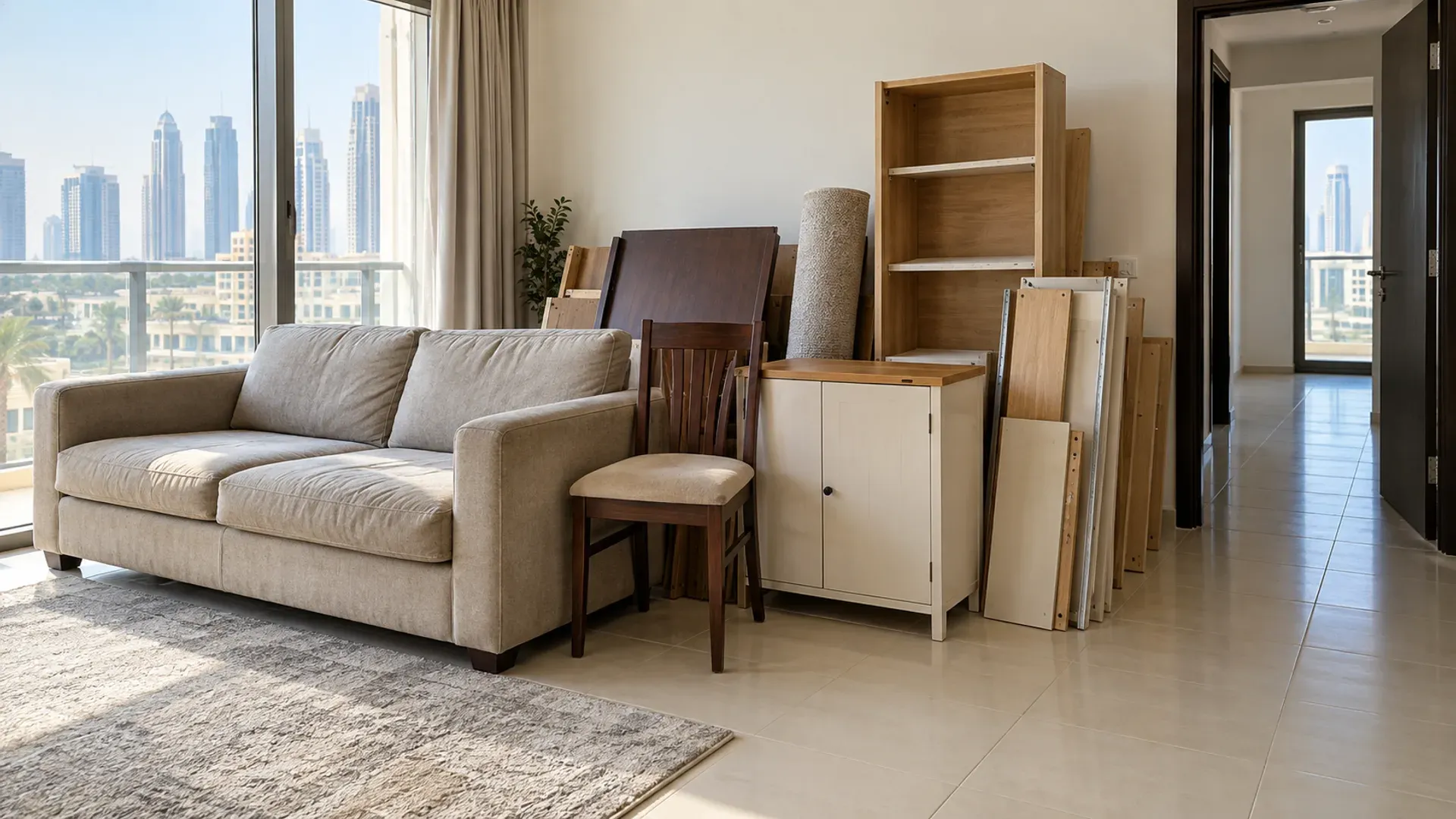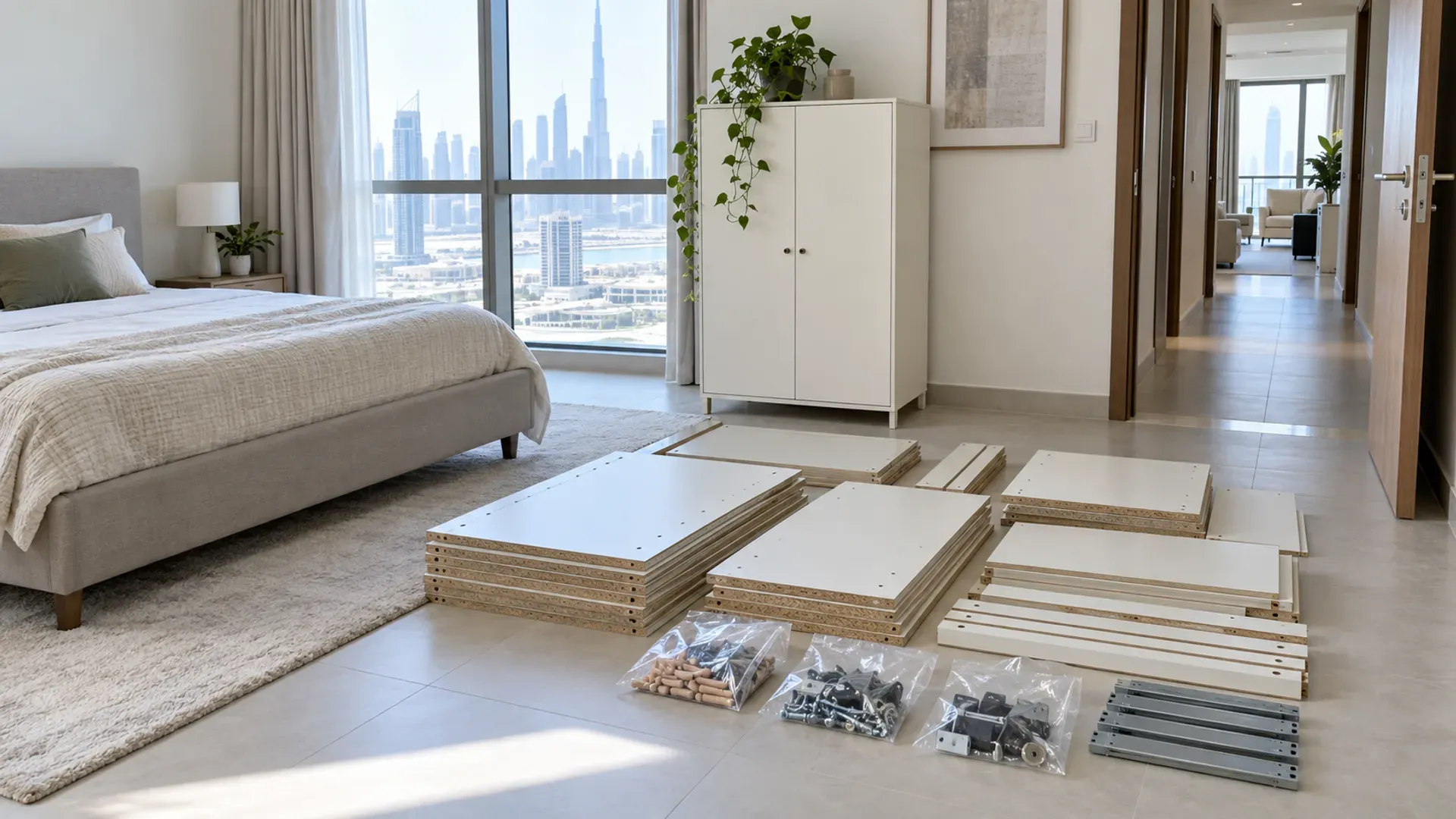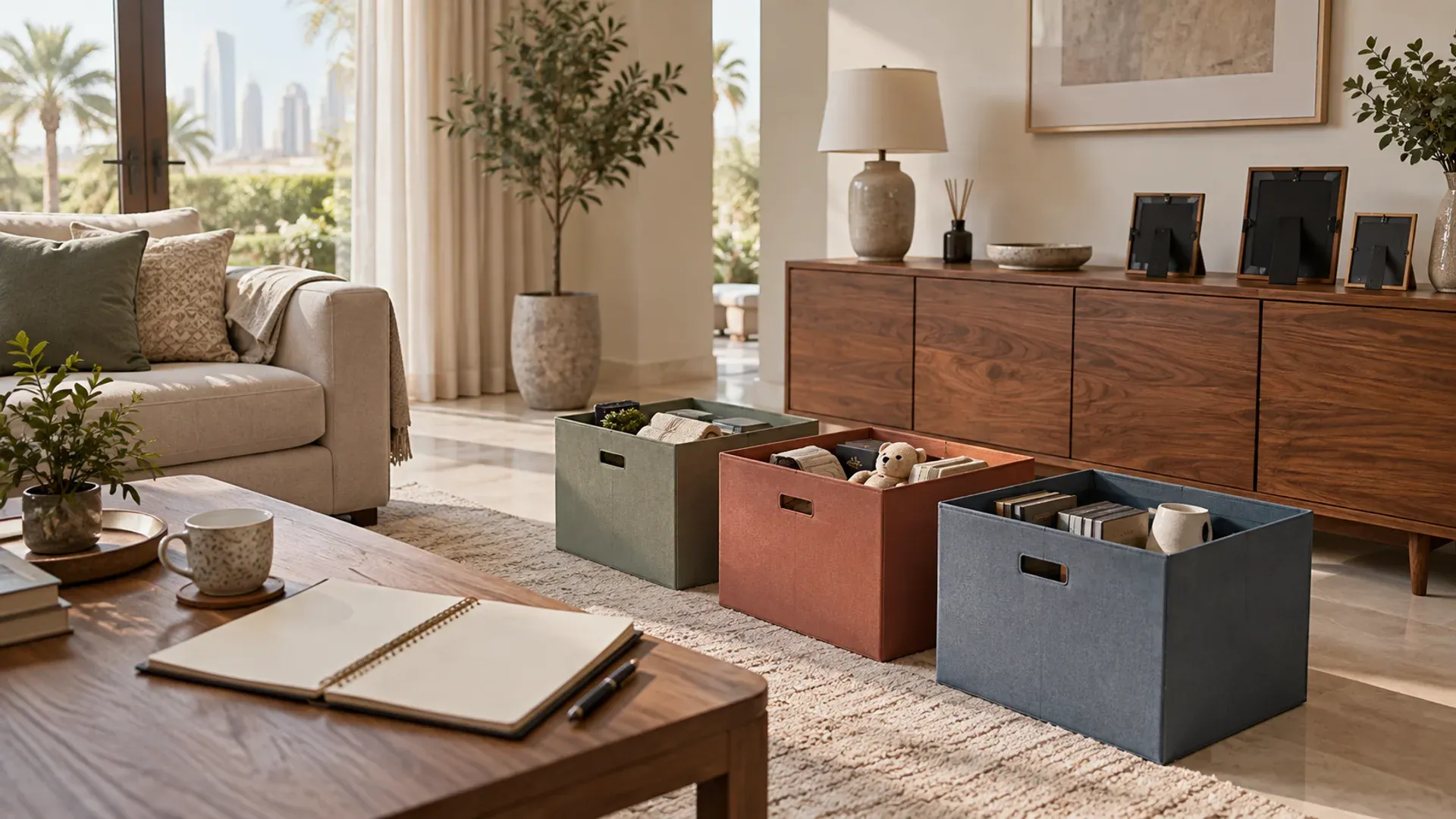
Clear a child's room in two passes. First, take out keepsakes, documents and anything that still belongs to the household. Then assess the furniture, toys and play equipment for reuse or removal. Photograph the cot, bed, desk, drawers and any large play items before you take anything apart, and list what has to stay. A room-sized mix of bulky furniture, bagged toys and outgrown items can be quoted as one collection, provided the photos show the whole load and the route out of the home.
Decide what the room must become
A child may have outgrown a cot, the family may be moving, or the room may be needed for another purpose. Write down what has to remain at the end. A bed being replaced is one item; an empty room for handover includes the shelves, boxes, rugs and things under the bed. The scope changes the quote and the time needed to sort.
Turn that decision into a short finish line. "The cot and changing unit go; the wardrobe and rug stay" is a different job from "The room is empty except for the fitted shelves." Keep the sentence somewhere visible. When sorting becomes slow or emotional, it is easier to make a decision against a written goal than against a general wish to have less.
Set the date backwards from the event that matters. If a new bed is being delivered, the old one needs to leave first, and the delivery may have its own building booking. If the family is moving out, the room may need to be clear before cleaning and the landlord's inspection. If a sibling is moving in, the replacement furniture may need the floor space before the old pieces can be dealt with. Each of those deadlines places the collection at a different point in the week.
Check ownership before anything goes. In a rented home, a built-in wardrobe, fitted shelving, curtain rails or a ceiling fan may belong to the property. A piece of furniture lent by a relative, or a play item borrowed from a friend, is not yours to put in a removal pile. If you cannot confirm who owns something, leave it in place until you can.
Take out keepsakes and personal items first
Separate school papers, photographs, certificates, devices and sentimental objects before inviting anyone to collect the furniture. Check drawers, toy chests, fabric pockets and the space behind bookcases. A child's room can contain small items of personal value among ordinary clutter. Keep those in a named box outside the collection area.
Look in the places that adults rarely open. Small drawers inside a desk, the lining of a toy box, pencil cases, school bags, the pocket of a dressing gown and the gap between a mattress and the bed frame can all hold something that matters: a house key, a passport photo, a medal, a hospital bracelet, a memory card from a camera. Under the bed is the obvious place, but the top of a wardrobe and the back of a bookshelf are just as likely.
Treat devices as personal items, not as toys. A tablet, an old phone used for games, a smartwatch or a games console may hold photos, accounts and saved passwords. Sign out of accounts and remove memory cards before deciding what happens to the device itself. Keep chargers with the device they belong to, so the next decision is about one complete item rather than a tangle of cables.
Give older children a say where it is practical. A child who chooses which toys to pass on is less likely to search for them later, and the decision is made once rather than repeated. Give them a box with a clear limit rather than an open question about everything. If a decision cannot be made today, put the item in a dated "decide later" box and keep that box out of the collection area.

Use separate zones for each decision, as in the plan above. Keepsakes and documents go in one sealed box that travels with the family. Items that stay in the home go back into the room or another room. Items for a named recipient go together with a label. Everything for collection goes into a single group near the door, so nobody has to guess on the day.
Assess furniture before offering it for reuse
Inspect a cot, high chair, child-sized bed or play structure carefully. A missing fastener, damaged rail, loose hinge or incomplete set changes whether another household could use it. Do not describe a broken item as a donation merely because it looks clean. If you plan to pass on a usable item, confirm that the intended recipient wants it and can collect it before your deadline. The furniture donation guide explains how to avoid making donation the default for unusable pieces.
Be especially careful with items that a baby or young child sleeps in or is strapped into. A cot, a travel cot, a bassinet or a high chair with a cracked part, a missing screw or a mattress that no longer fits snugly is not a safe hand-me-down, even if it looks fine. If you are unsure, check the manufacturer's instructions and any recall notice the manufacturer has published for that model. When the condition is doubtful, the honest decision is removal rather than passing the risk to another family.
Photograph each large item assembled, then photograph any damage. Note whether it has to pass a narrow door or lift. Keep matching screws and brackets together if the item is dismantled. Do not take apart a unit that you expect someone else to reuse without checking how it can be reassembled. For wardrobes and larger storage units, the wardrobe removal guide covers the doorway and dismantling decision.
Beds, bunks and cots
Children's beds come in more shapes than adult ones. A cot that converts into a toddler bed, a mid-sleeper with a desk underneath, a bunk bed with a ladder and safety rail, or a cabin bed with built-in drawers can each be heavier and more awkward than its size suggests. Note the model if you know it, the materials, and whether it was assembled in the room. A bunk bed that was built in place may not leave through the door in one piece. The bed frame disposal guide explains how to decide whether a frame should be dismantled and how to describe it for a quote.
Treat the mattress as a separate item. A cot mattress or a single mattress has its own condition and hygiene questions, and a stained or damp mattress is unlikely to be wanted by anyone else. The mattress disposal guide covers how to prepare it and keep it apart from a replacement delivery.
Desks, drawers and flat-pack units
Children's furniture is often flat-pack. It may have been assembled, moved and reassembled more than once, and the boards can lose their strength around the fixings. A chest of drawers with a drawer that no longer runs, or a desk that wobbles at the joints, may survive one more careful move but not two. If you are not certain it will hold together, plan for it to leave as removal rather than as a donation. The flat-pack furniture guide explains how to judge condition before dismantling.
Empty every drawer completely before the furniture is assessed. A drawer full of craft supplies is heavier, can spill in a corridor, and may hide something you meant to keep. If a tall unit was fixed to the wall to stop it tipping, leave the wall fixing in place until the furniture is ready to leave, and decide with the landlord or building whether the bracket and screw holes need attention after it has gone.
Sort toys without making the room a second mess
Work one shelf or container at a time. Make a keep box, a confirmed giveaway box, a collection box and a separate handling box. A toy with missing pieces, sharp damage or leaking batteries should not be mixed into a bag of usable items. Remove batteries where you can do so safely and ask about the appropriate route for electronic toys. The e-waste guide explains why electronics need a different decision from ordinary furniture.
Small batteries need particular care in a home with young children. Button and coin cells from remote controls, musical cards, light-up shoes and small games are easy to lose on the floor during a clear-out. Collect them in a closed container kept out of reach, and cover the terminals with tape so loose cells cannot touch each other. Do not leave a bag of removed batteries in a toy box or on a low shelf while you work.
Large plastic playhouses, slides and ride-on toys need to be shown in the quote photos. Their shape may use more vehicle space than their weight suggests. A soft-toy bag is easier to carry than a loose heap, but check it for devices, keys and keepsakes before sealing it. Do not assume that a recipient will accept a large quantity of unsorted toys at short notice.
Sort sets before deciding they are reusable. A puzzle with missing pieces, a board game without its dice or a construction set that has been mixed with three others is difficult for anyone else to use. If you want a set to be passed on, check it is complete and bag it on its own with the box or instructions. If completing it would take an evening you do not have, it belongs in the collection pile. Being realistic here is what stops the clear-out turning into a second room of half-sorted bags.
Keep outgrown clothing and shoes separate from toys and furniture. They are light, they fill bags quickly, and a recipient who wants clothes may not want anything else. Bag them by size or season if you intend to pass them on, and tell the collector if any bags are leaving with the furniture so the count in the quote is accurate.
Plan the carrying route and the deadline
If the room is in a tower, check whether the building requires a service-lift reservation or another notice for bulky furniture. Rules differ by building, so ask management rather than assuming. Clear the path from the room to the door and tell the collector about stairs, narrow turns or distant parking. Do not stage furniture in a shared corridor before the booked time. The tower bulky-item guide helps you check whether the largest piece can leave intact, and the service-lift booking guide lists the questions to settle with management before collection day.
Measure the largest item against the bedroom door, the hallway turn and the main entrance. A cabin bed or wardrobe that was assembled in the room may be taller or deeper than the doorway once upright. Measure the opening at its narrowest point, including the door if it cannot be removed, and compare it with the item's smallest side. If it will not pass, it needs dismantling or a different route, and the collector should know before arriving.
Plan where the children will be on collection day. A clear room with an open front door, a corridor of furniture and people carrying heavy pieces is not a good place for a toddler or a curious older child. Arrange for them to be in another room with an adult, or out of the home, while the bulky items leave. That also keeps keepsake boxes from being moved back into the collection zone by small helpers.
In a villa or townhouse, the route may include a staircase, a front door with a step, and a driveway or gate. Tell the collector which floor the room is on and whether the stairs turn. If the community has rules about contractor access or vehicle parking, check them in advance and pass on the details.
Send a quote request that shows the whole job
For a move or handover, aim to finish sorting before the final collection slot. Cleaning and inspection happen more easily after the furniture leaves. Send one wide photo of the room, close views of the large pieces, a count of bags or boxes, and a list of things that stay. Confirm separately any electronics, batteries or damaged items that may need a different route.
A good request answers the questions a collector would otherwise have to ask:
- what the large items are, with a photo of each assembled and its approximate size
- whether any item is already dismantled, and whether its fixings are bagged with it
- how many bags of toys, clothes or textiles are leaving
- which items stay in the room, so nothing is taken by mistake
- the floor, lift arrangement, parking and any building or community booking
- the date the room must be clear and any delivery booked after it
When you are ready to book, furniture removal covers bulky children's furniture such as beds, cots, desks and drawers, with the toys and smaller household items described alongside them in the same request. Ask the provider to confirm which items it will take and whether any of your separate-handling items need another arrangement. A request is not a booking until the scope and time are agreed.
Check the room after collection
After collection, check the drawers and shelves that remain, the space behind the door and under any fixed furniture. Look for screws, wall anchors and small parts left on the floor, which are easy to miss and a hazard for small children. If a furniture wall fixing has been removed, note the holes for whoever is responsible for repairs. Compare the result with the finish line you wrote at the start: a clear room is useful only if the belongings meant to stay are still accounted for.
Questions about clearing a child's room
Can a used cot be passed on to another family?
Only if it is complete, undamaged and the recipient has confirmed they want it. Check the manufacturer's instructions and any recall notice for the model. If parts are missing or the frame is damaged, plan for removal instead.
Should I dismantle the bunk bed before the collection?
Not automatically. Photograph it assembled and ask the collector whether it needs to come apart to leave the room. If you do dismantle it, keep the bolts and brackets in a labelled bag taped to a main panel.
What should I do with electronic toys?
Remove the batteries where you can do so safely and keep them in a closed container out of children's reach. Then treat the toy as an electrical item rather than ordinary household rubbish, and mention it separately in the quote request.
Can toys and furniture be collected together?
They can be listed in the same request. Show the bags of toys, the large play items and the furniture in the photos so the vehicle space and carrying time reflect the whole load.