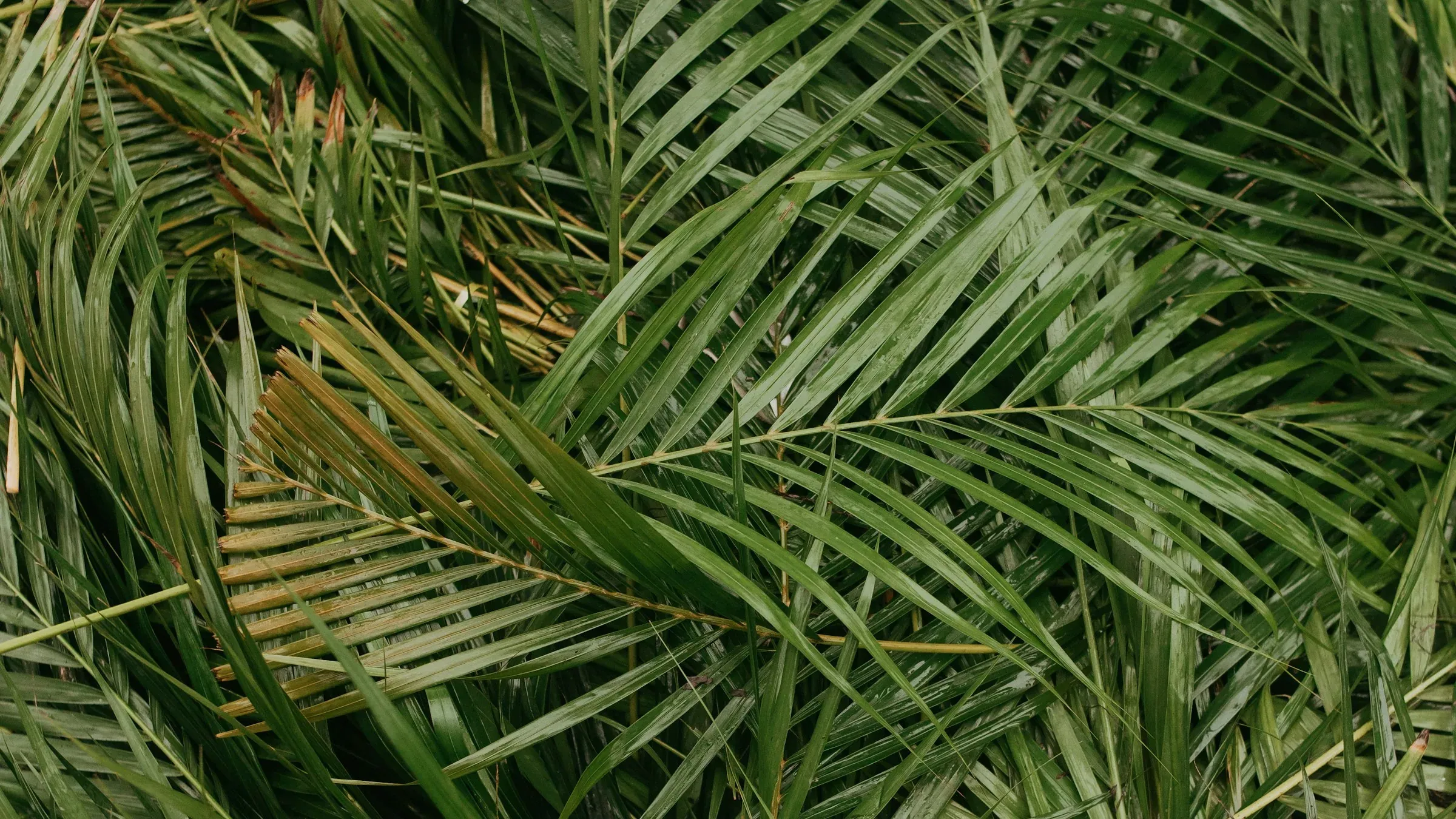
Living in a Dubai villa or townhouse often comes with a private garden, mature landscaping, balcony planters or courtyards lined with palm trees and shrubs. Maintaining these green spaces produces substantial amounts of organic cuttings: pruned tree branches, long palm fronds, grass clippings, hedge trimmings, loose soil and old plant pots.
When garden work is finished, the natural impulse for many residents is to cram the cuttings into the nearest wheelie bin or leave tied bags beside the communal bin store. However, residential community bins in Dubai are strictly not intended for bulky garden waste. Forcing branches, fronds, soil and heavy pots into domestic bins damages municipal collection vehicles, blocks communal containers for neighbours, and frequently results in uncollected waste or community penalty notices.
Understanding what garden waste Dubai bins will and will not take is essential for maintaining your property legally and keeping your neighbourhood clean. This guide examines the rules governing garden waste in residential bins across Dubai, explains why municipal trucks reject heavy green waste, and details practical, compliant solutions for removing landscape debris from your home.
How the Dubai residential bin system is structured
Across the emirate of Dubai, residential waste segregation is governed by the Dubai Municipality Waste Segregation Guide and Technical Guideline No. 5 on Waste Classification. The municipal collection infrastructure is engineered specifically for household municipal solid waste and dry packaging recyclables, not for heavy horticultural materials.
The two primary domestic bin streams
In residential villa communities and apartment complexes across Dubai, the standard waste collection system relies on colour-coded containers:
- Black containers: Designated for domestic general waste, including non-recyclable household refuse and food waste sealed in standard rubbish bags.
- Green containers: Designated for dry, clean recyclables, including cardboard cartons, paper, plastic bottles, glass jars and metal cans.
A brown container for organic food waste is marked in municipal planning for progressive implementation, but it is intended for separated kitchen food waste, not for bulky garden foliage, soil or palm branches.
The classification of horticultural waste
Under Dubai Municipality Technical Guideline No. 5, garden cuttings, palm trees, turf and horticultural offcuts are classified as a distinct category separate from everyday domestic refuse. Horticultural waste has physical characteristics—high volume, tough fibrous strands, woody density and soil contamination—that make it incompatible with the mechanical compaction systems used on everyday residential refuse routes.
Consequently, municipal collection contractors are instructed not to empty domestic bins that are packed with garden cuttings, roots, tree trunks or landscaping soil.
Why community bins reject garden and landscaping waste
To understand why garden waste does not belong in your domestic wheelie bin, it helps to understand how residential collection works and the problems that green waste causes for equipment, workers and the community.
Mechanical compactor damage
The vehicles that collect residential black bins are rear-loading compactor trucks fitted with high-pressure hydraulic blades. These blades are designed to crush soft domestic rubbish bags and food packaging to reduce volume during transit.
When thick tree branches, hard palm stems or dense wood offcuts are tipped into the truck's hopper, they can jam the rotating hydraulic pack-panel or puncture hydraulic lines. Palm fronds present a particular mechanical hazard: their tough, fibrous cellulose fibres do not break down under compaction; instead, they wrap tightly around rotating packer drums and mechanical moving joints, causing drive motors to overheat and stall the collection vehicle.
Extreme weight from soil and sand
One of the most dangerous misconceptions is that soil, potting compost and sand can be dumped into a plastic wheelie bin.
Soil is dense mineral matter. A single cubic metre of damp Dubai garden soil or sand weighs between 1,500 and 1,800 kilograms. A standard 240-litre residential plastic wheelie bin filled to the top with garden soil weighs upwards of 350 kilograms.
Standard plastic wheelie bins are engineered to hold domestic refuse weighing no more than 60 to 80 kilograms. When an overloaded bin packed with soil is hitched to the hydraulic comb lifter on a municipal collection truck, the extreme weight causes the plastic rim of the container to crack and snap off. The bin drops into the hopper or crashes onto the street, presenting a severe safety hazard to collection crew workers and destroying the container.
Fast bin overflow and neighbourhood nuisance
Garden waste is bulky and irregular. A single trimmed bougainvillea hedge or three pruned acacia branches can fill an entire 240-litre or 360-litre wheelie bin within seconds.
When a resident fills the community bin with garden branches, there is no space left for everyday domestic kitchen waste from the rest of the household or adjacent neighbours. Domestic refuse bags end up piled around the closed bins on the pavement, where they are torn open by wind, birds or feral animals in the heat, creating foul odours, litter and hygiene hazards.
Common garden waste items that cannot go in the bin
Nearly all materials produced by substantial landscaping, hedge trimming, tree pruning or garden revamps fail the domestic bin test.
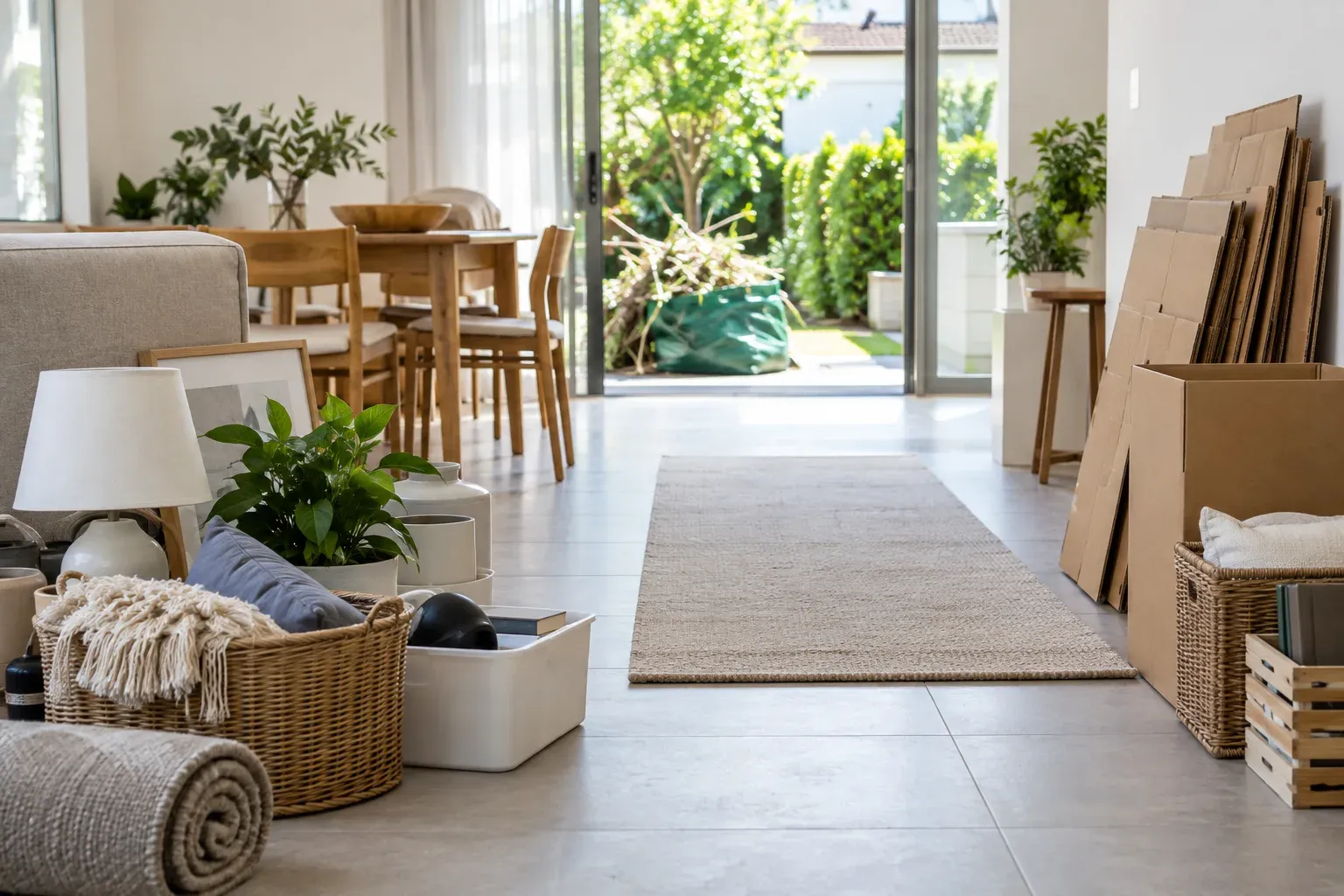
Palm fronds and date palm cuttings
Dubai villas commonly feature date palms, Washingtonia palms and decorative fan palms. When fronds are pruned, each individual branch can measure between 1.5 and 3.5 metres in length, with a thick, spiny woody base and stiff fan leaflets.
Palm fronds cannot be bent or compressed into a standard wheelie bin without sticking high into the air and preventing the lid from closing. Leaving the bin lid open allows rain, pests and heat to affect the bin, and municipal automated lifters cannot safely handle bins with long foliage protruding from the top. The complete handling and disposal process for palm foliage is examined in our guide on what to do with palm fronds in Dubai.
Heavy tree branches, logs and thick roots
Branches thicker than a broom handle, tree stumps, root balls and hard timber trimmings from neem, damas or ghaf trees are too dense for residential collection. Large root balls also retain dense clumps of dry soil and stones, creating solid dead weight that will damage refuse lifters.
Loose soil, excavated sand and sod rolls
Whether you are digging out planting beds, re-levelling a lawn or clearing out old potting soil from planters, loose soil and turf cannot be tipped into community bins. When damp soil settles in the bottom of a wheelie bin, it compacts into a solid block that sticks to the base and will not fall out even when the bin is inverted mechanically by the truck.
Disposing of heavy garden soil, sand bags and filled containers requires planned handling, as covered in our guide to soil, sand and pots disposal in Dubai.
Terracotta, ceramic and concrete plant pots
Old, broken or cracked flower pots made from terracotta, glazed ceramic, stone or concrete are inert mineral construction-like waste, not household refuse. Heavy pots shatter into sharp fragments during collection, cutting collection workers through standard protective gloves and creating sharp debris hazards in residential streets.
Damaged outdoor furniture and fixtures
Sun-damaged plastic garden chairs, rusted iron patio tables, rotted wooden trellises, frayed shade nets and garden hoses are bulky non-compactable items. Forcing outdoor furniture into household bins blocks the container, while leaving items next to the bins violates municipal rules, as outlined in what you cannot throw in Dubai bins.
What IS acceptable in small, reasonable quantities
While large landscaping loads are strictly barred from residential bins, small routine maintenance cuttings can be handled through standard domestic bins under specific conditions:
- Light lawn clippings from a small grass patch, provided they are dried, placed inside a sealed domestic refuse bag and weigh only a few kilograms.
- Small dried leaves and fallen flower petals swept from patios or pathways, bagged securely.
- Dead annual flowers, small balcony herbs and soft stems pruned with hand shears from small indoor or balcony pots.
The three rules for small garden disposal in bins
If you choose to place small garden clippings in your black general waste bin, ensure that:
- Everything is bagged: Loose cuttings must never be thrown directly into the bin; they must be inside tied refuse sacks to prevent loose foliage jamming the container.
- The bin lid closes completely flat: If the lid is propped open even slightly by twigs or branches, the container is non-compliant.
- The container remains light and easy to wheel: You must be able to roll the bin easily using one hand. If the bin feels heavy or the wheels flex, it is overloaded and must be reduced.
If your garden work produces more than two standard bin bags of light cuttings, it has outgrown the domestic bin system and requires dedicated green waste removal.
Community regulations and legal penalties across Dubai
In addition to municipal legislation, residential developments in Dubai enforce strict community bylaws governing external cleanliness, landscaping disposal and shared common areas.
Master community developer rules
In master-planned villa communities managed by major developers—such as Emaar Community Management (Arabian Ranches, The Springs, The Meadows, Dubai Hills Estate), Nakheel Community Management (Jumeirah Islands, Jumeirah Village Triangle, Al Furjan), and Dubai Holding (Mudon, Villanova)—community rules strictly prohibit placing garden waste in public spaces.
Common community violations include:
- Leaving piles of pruned palm fronds or branches on the pavement or verge outside your villa boundary wall.
- Dumping garden bags in service alleyways or backing onto communal parks and pedestrian walkways.
- Placing garden cuttings or soil bags inside or beside communal skip stations meant for general household trash.
Community security officers and municipal inspectors patrol residential streets regularly. When landscaping debris is spotted outside a villa, inspectors trace the cuttings to the adjacent property. Developer management companies issue formal Violation Notices carrying administrative fines (often starting from AED 500 to AED 1,000 per notice), which are charged to the homeowner or tenant's service fee account.
Law No. (18) of 2024 and municipal dumping fines
At the municipal level, abandoning garden waste on public land, kerbsides or open desert plots is considered illegal waste dumping.
Under Article 6 of Law No. (18) of 2024 Regulating Waste Management, it is prohibited to discard, place or accumulate waste in public places, open land, residential corridors or common facilities. Article 20 of the law empowers authorities to impose fines up to AED 500,000 for waste management violations, with fines doubling for repeat offences within one year.
Furthermore, under Executive Council Resolution No. (58) of 2017, placing general waste or bulky material outside designated disposal sites carries statutory municipal penalties. The severe legal and financial implications of improper waste abandonment are explained in our guide to fines for dumping furniture and waste in Dubai.
The hazard of leaving garden piles in the Dubai climate
Leaving green waste stacked outside your boundary wall while waiting to work out what to do with it creates serious environmental and safety risks.
Extreme fire hazard
Dubai experiences high ambient temperatures and intense sunshine for much of the year. Cut palm fronds, dry pine needles, dead hedge clippings and brittle branches dry out completely within 48 to 72 hours of being cut, turning into tinder-dry combustible fuel.
A stray cigarette discarded by a passer-by or a spark from garden equipment can ignite dry palm fronds instantly, causing a fast-moving fire that can spread rapidly along dry perimeter hedges, wooden carports and neighbouring villa walls.
Pest and rodent attraction
Piles of cut branches and moist garden clippings left on the ground create an ideal microclimate for pests. Termites, desert ants, wasps, scorpions, cockroaches and rodents quickly seek shelter beneath dense garden debris to escape daytime heat. Once established in a garden waste pile, pests migrate directly into the villa structure, causing costly pest control emergencies.
Uncollected waste cycles
Leaving a pile of garden branches next to a communal bin station in the hope that municipal trucks will collect it is a mistake. The municipal drivers operating automated compactor trucks are not manual sweepers; they lift the mechanical wheelie bins, empty them into the hopper, and drive to the next property.
They will not leave their cabs to shovel loose branches or heavy bags off the street. The pile simply sits there, accumulating wind-blown litter and neighbourhood rubbish, until community management intervenes and issues a penalty to the nearest property owner.
Practical, compliant solutions for garden waste removal
When regular residential bins cannot handle your garden cuttings, you need a safe, legal and efficient clearance route that clears the material without risking fines or damaging property.
Staging cuttings safely inside your boundary
While organising clearance, always stage pruned foliage, branches and garden waste inside your private property boundary—such as on your rear lawn, an open patio or private driveway. Never stack cuttings on public pavements, community verges or outside your front gate.
- Keep tree branches cut into manageable two-metre lengths to facilitate fast loading.
- Bag loose leaves, small twigs and hedge clippings into heavy-duty 50-kilogram woven polythene sacks to stop wind from scattering debris.
- Separate clean green foliage from stones, broken pots, bricks or construction rubble, as mixed debris complicates recycling.
- Keep garden hoses, lighting cables and tools clear of the access route to allow clearance teams safe footing.
Booking a professional garden waste removal service
When you have large volumes of green waste, heavy branches, palm fronds, soil bags or old plant pots, hiring a dedicated garden waste removal service is the most efficient and compliant solution.
A professional garden clearance team provides complete, end-to-end service:
- Experienced crew who enter your garden, courtyard or balcony and carry the material out directly.
- The correct vehicle with adequate capacity and covered sides to transport bulky, spiny branches safely on Dubai roads.
- Loading labour included, saving you from back strain, thorny scratches or hours of heavy lifting.
- Complete cleanup of the loading area, sweeping loose leaves, twigs and dirt from paths and driveways.
- Full compliance with community gate access rules and municipal disposal standards.
You simply take a few photos of the garden pile, send them via WhatsApp or request an online quote, and receive a transparent, fixed price with a confirmed collection time.
Coordinating garden clearance with full property handovers
For tenants preparing to hand back a leased villa to a landlord or property management company, the garden is a critical part of the handover inspection. Many tenants remember to clear interior bedrooms and living spaces but forget that overgrown hedges, abandoned planters, dead turf and accumulated palm fronds will cause failed inspections.
As detailed in the villa handover clearance guide and our review of how long a villa clearance takes, garden waste can add hours of work and multiple vehicle loads to a full clear-out. Scheduling your garden clearance in advance ensures your entire villa and grounds are clean, tidy and ready for handover on schedule.
Where collected garden waste goes
When garden waste is collected by an authorised removal service, it does not end up in domestic landfills. Green waste is a valuable organic resource that can be processed responsibly.
Collected garden foliage, branches and tree trimmings are transported to licensed green waste processing and municipal organic composting facilities in Dubai. At these facilities:
- Tree branches and thick timber are fed into industrial wood chippers to create garden mulch, which helps retain soil moisture and reduce irrigation water consumption in Dubai's arid climate.
- Soft green foliage, grass trimmings and leaves are aerated and composted in regulated windrows, decomposing naturally into nutrient-rich organic soil conditioner for agricultural and landscaping projects across the UAE.
- Clean mineral soil and sand are routed to approved soil recovery and land reclamation projects.
By keeping garden waste out of everyday domestic bins and using a dedicated clearance service, you ensure that your green waste is diverted from landfills and recycled into beneficial organic products for Dubai's green spaces.
Summary checklist for managing garden waste
To keep your garden clean and avoid community fines:
- Check your cuttings volume: if it is more than two light bags of dried clippings, do not put it in the black or green household bin.
- Never dump soil, sand or heavy broken pots into plastic wheelie bins.
- Keep palm fronds and thick branches out of compactors to prevent vehicle damage and blocked bins.
- Stage all garden waste neatly inside your private villa boundary, not on the community street or pavement.
- Bag loose leaves and small trimmings in heavy-duty sacks to prevent wind dispersal.
- Check community rules and avoid fly-tipping, which carries municipal fines up to AED 500,000 under Law No. (18) of 2024.
- Send clear photos of your garden pile to an authorised garden waste removal service for fast, lawful collection and recycling.