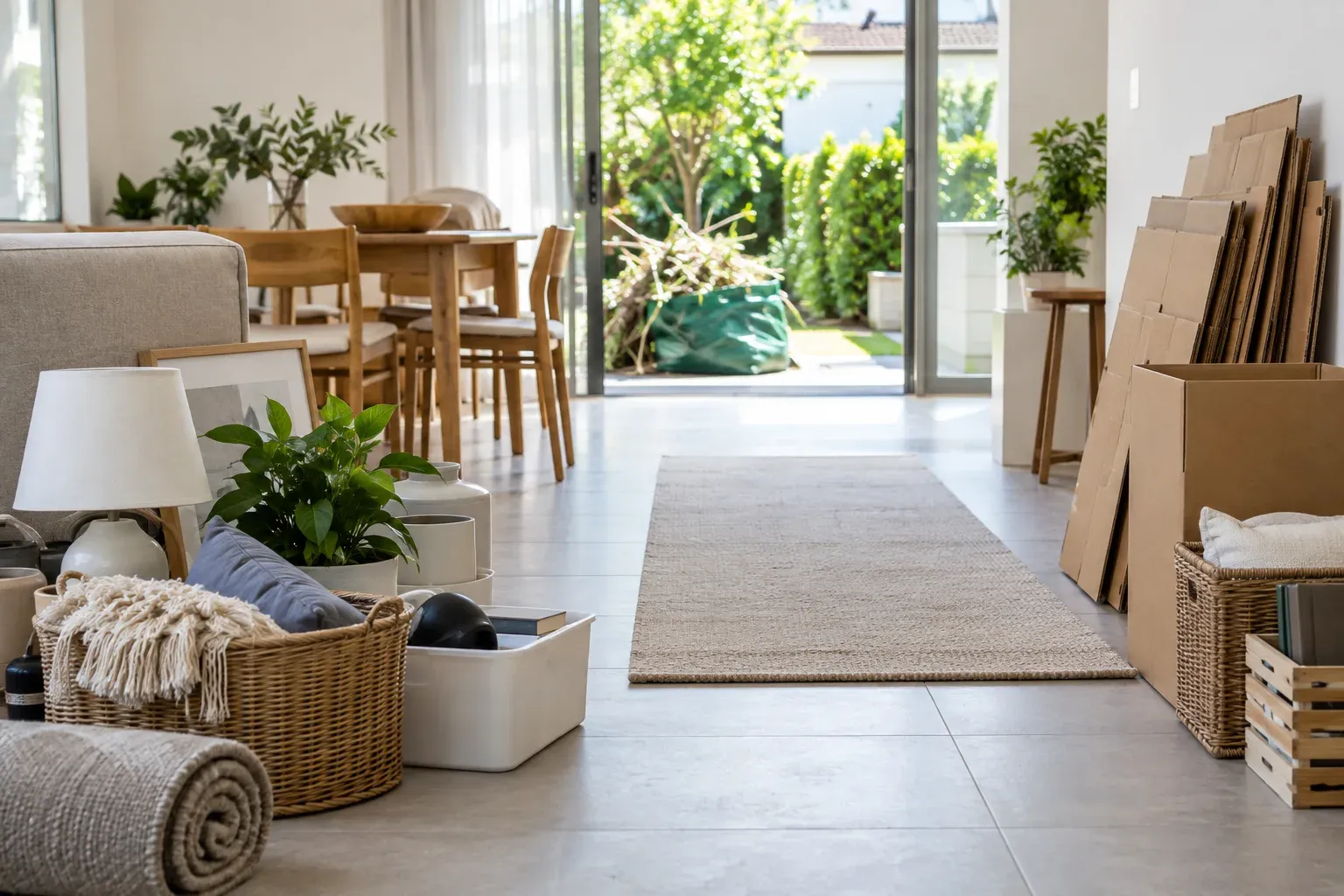
Old garden furniture can leave in the same planned visit as other accepted outdoor items, but it should be described separately from branches and trimmings. Photograph each table, chair, lounger and parasol, note whether pieces fold or dismantle, and say if cushions are wet or frames are broken. The garden-waste removal service covers outdoor clear-outs; the item list determines the actual quote and route.
Decide whether the set is ready to pass on
Outdoor furniture in Dubai takes sun, dust and weather. A faded surface alone does not make a chair unusable. A cracked load-bearing frame, brittle woven seat, corroded joint or unstable table is a different matter. Look at the structure, not just the colour. If you would not feel comfortable asking someone to sit on it, do not offer it as a ready-to-use donation.
Clean, complete furniture that is still sound may have a genuine second life. Arrange a recipient and a pickup date before your own clearance deadline. Keep the cushions and fittings together. If the recipient cannot collect in time, include the set in the removal plan. A vague hope that somebody might want it should not leave a broken patio set outside for weeks.
Check whether a table has a glass top and whether it is intact. Cracked glass needs careful handling and should be described before collection. A parasol may have a heavy base, a long pole and a damaged canopy that travel differently. A lounger may fold, but a fixed bench may not. These details matter more than calling everything “one garden set.”
Separate furniture from green waste

Branches, fronds and grass clippings are garden waste. Chairs, tables, parasols, cushions, planters and play equipment are outdoor household items. A single clear-out may contain both, but their size, weight and handling differ. Photograph the two groups separately so the collector can assess the whole visit accurately.
Bag small loose trimmings where appropriate, but do not pack wet vegetation into boxes with fabric cushions. Keep soil and sand distinct from dry branches and from furniture. A large planter may be light when empty and extremely heavy when full. The soil, sand and pots guide explains why those dense items need their own count and route.
Palm fronds can be long and sharp. If a landscaping visit has left a pile beside the furniture, show its length and volume in the photos. Do not assume a furniture-only quote covers an additional mound of cut vegetation. The palm-frond guide covers how to prepare that material for collection.
Photograph the pieces and the access route
Take a wide image of the patio or garden and a close view of each large piece. Include the condition of broken joints, glass, cushions and any separate parasol base. Note which items stay. If new furniture is being delivered, give both the delivery date and the latest safe removal date so the old set does not block the entrance.
Show the path from the patio to the vehicle. A villa may have a side passage, a narrow gate or steps. An apartment balcony may require a service lift and permission to move large items through shared spaces. The apparent size of the furniture on a patio is not enough to plan how it leaves. The service-lift guide applies when the set must pass through a tower.
Do not drag a large table across paving or through a tight doorway without checking the route. It may be better to remove detachable legs or carry it on edge, but that depends on construction and condition. A cracked frame can fail while lifted. Describe the problem in advance so the crew can decide what to dismantle and what to carry whole.
Keep uncertain materials out of the mixed pile
Outdoor stores can contain more than furniture: paint, pool chemicals, pesticides, batteries, gas canisters and electrical garden equipment. These should not be placed among chairs and branches. List them separately and ask what specific route applies. A general outdoor clearance does not mean every stored substance is accepted.
Wet cushions and mouldy fabric should be described honestly. Broken glass should be made safe and identified. Large quantities of soil, rubble or paving need a separate weight discussion. If you do not know what a container holds, do not open or empty it merely to make it part of the collection pile. The acceptance guide is the starting point for questions about mixed loads.
For electrical items such as outdoor lights or a powered fan, remove them from the furniture pile and ask about an electrical route. For any connected fixture, arrange safe disconnection by an appropriate person before collection. A removal booking should never be assumed to include electrical or gas work.
Time the collection around the rest of the garden work
If a landscaper is cutting back trees and replacing an outdoor set, schedule collection after the final pile is known. A photograph taken before the trimming begins may understate the load. If replacement furniture is arriving first, check whether there is a clear place to receive it without blocking a gate or communal path.
In a villa, include the garden set when planning a full villa clearance. The garden, garage and storage areas can add substantial volume beyond the rooms inside. In a tower, check permitted movement hours before promising a same-day handover of the balcony. Access can control the timetable even when the furniture itself is simple to lift.
Do not leave the set beside communal bins or outside a property boundary while waiting for collection. Keep it within your own space until the agreed time. If the furniture is still usable and going to a recipient, the same rule applies: confirm their pickup rather than assuming an unattended item will be taken.
Check the result against the intended space
Once collection is complete, check for detached legs, glass fragments, cushion inserts, heavy bases and small pieces left behind. A clear patio also needs unobstructed drains and walking routes. If the job is part of a handover, take a dated photograph of the outdoor area after the furniture and loose items have left.
Garden furniture disposal is straightforward when the load is described honestly: what can be reused, what is broken, what belongs to green waste, and what requires another route. Those decisions make the quote accurate and keep the outdoor clear-out from turning into several unplanned visits.
Assess each material separately
Wooden furniture may look worn while remaining sound, or it may have hidden weakness at joints and feet. Check whether a chair rocks, whether slats are secure, and whether a table can be lifted without a leg shifting. If the piece will be passed on, tell the recipient about damage rather than using a distant photo that hides it. If it is leaving as unwanted furniture, show any broken sections so the collector can plan safe handling.
Metal frames can rust at fasteners and hinges even when the main rails still look strong. A folding chair that sticks open or snaps shut unexpectedly should not be offered as ready-to-use seating. Describe corrosion and loose parts in the collection photos. Separate glass tops or inserts if they are already loose, and keep small fittings contained. Do not break glass deliberately to make a table fit a bin.
Woven resin and plastic can become brittle after extended exposure. A chair may look intact until weight is put on it. If the seat or armrest has cracked, classify it as damaged. Cushions are a separate material and may need bagging if the covers are torn. A dry, usable cushion can be passed on with a sound set; a wet or heavily soiled one should be described honestly and handled according to the collector's acceptance advice.
Stone, concrete and ceramic garden pieces need special attention because of weight. A compact table base or large pot can be heavier than several chairs. Count these pieces separately and tell the collector if they are solid or hollow. Do not rely on a wide garden photograph to convey their weight. If soil remains in a pot, estimate its size and whether it can be emptied safely.
How the decision changes by property
For a villa with direct driveway access, the main questions are how far the furniture sits from the vehicle and whether a gate or side passage is wide enough. A patio behind the house can still involve a long carry. If the furniture is part of a broader garden clean-up, make one list that distinguishes furniture from cut vegetation and heavy planters. The crew can then assess the complete outdoor job rather than treating the set as an unexpected addition.
For a townhouse, check the community's parking and contractor hours. A narrow front garden may have no safe place to stage furniture before loading. Keep it inside your boundary until the collection window. If a neighbour shares a path or gate, arrange a time that leaves it passable. A quick removal should not create an access problem for someone else.
For an apartment balcony, measure the largest table or lounger against the balcony door and service lift. The furniture may have arrived flat-packed but now be assembled; removable legs can change whether it fits. Ask building management about lift booking and protection requirements. A small balcony set can be more complicated to remove than a larger ground-floor set because of the route through shared areas.
Questions to settle before booking
Will a collector take only garden furniture? Describe the exact pieces and ask for a quote. A small standalone set may be collectable, while combining it with other agreed household items could be more practical. Do not add garden trimmings, soil or chemicals to a furniture quote without checking; the materials are different even if they sit in the same outdoor space.
Should I dismantle the table? Photograph it assembled first. If the legs detach cleanly, dismantling may simplify the route, but it can also expose sharp fittings or damage a piece that could be reused. Ask how the collector prefers to receive it. Keep screws and brackets contained if it comes apart, and tell the crew if the top is glass or unusually heavy.
Can an old parasol go with the set? Include it in the inventory. The canopy, long pole and base may be separate pieces with different weights. A weighted base is easy to miss in a general patio photograph. If the parasol is damaged, secure loose ribs so they do not catch on a gate or another item during carrying.
What if the cushions are wet? Keep them separate from dry furniture and say so when requesting collection. Do not put wet cushions in closed boxes with paper or textiles. If they belong to a set being donated, allow the recipient to assess their condition honestly. A cleanable cover and a waterlogged insert are different cases.
What if the set is shared with a landlord? Check the inventory or ask before removal. Outdoor furniture supplied with a rented villa or furnished apartment may need to stay even if it is weathered. Photograph its condition and agree on replacement or removal with the responsible party. Treating a landlord's set as unwanted without permission can create a handover dispute that is larger than the clearance itself.
When should I book around a new delivery? Allow a margin between removal and delivery so an access delay does not leave two sets competing for the same small patio. Confirm the delivery path as well as the removal path. If the new set arrives flat-packed, keep its cartons separate from the old furniture and ask whether packaging collection is included. A collection slot should be based on the actual old items and packaging expected on that date.
Does a clear-out include cleaning the patio? A removal booking clears the agreed items. It should not be assumed to include washing paving, repairing planters, treating rust marks or restoring a garden. If handover standards matter, schedule any cleaning or repair after the furniture leaves. Photograph the clear space so you can see what work remains and avoid confusing removal with property maintenance.